Plastic has become an essential part of modern life. We use it in packaging, healthcare, transportation, construction, clothing, and countless everyday products. However, its widespread use has created a serious environmental challenge. The Plastic Pollution Crisis now affects ecosystems, human health, climate, and economies worldwide. UNEP reports that humanity produces more than 430 million tonnes of plastic each year, while much of it quickly becomes waste.
Therefore, solving this problem requires more than simply collecting discarded bottles and bags. We need to reduce unnecessary plastic use, improve product design, strengthen waste collection, increase reuse and recycling, and ensure that businesses manage their responsibilities throughout the plastic lifecycle. This is where Plastic Waste Compliance Management can support responsible business practices.
Why Is the Plastic Pollution Crisis Growing?
The Plastic Pollution Crisis has grown because plastic production and consumption have expanded rapidly. Plastic offers durability, flexibility, and affordability. However, many plastic products have short lifespans and become waste soon after use.
According to UNEP, plastic pollution can damage ecosystems, contribute to climate change, and expose people and wildlife to potentially harmful chemicals. Moreover, plastic can fragment into microplastics and nanoplastics, which can move through water, air, food chains, and ecosystems.
Consequently, managing plastic only after it becomes waste is not enough. We must address the problem from production and design to consumption and final disposal.
Reduce Single-Use Plastic
One of the simplest ways to address the Plastic Pollution Crisis is to reduce unnecessary single-use products. Plastic bags, disposable packaging, food containers, and other short-lived products can create large amounts of waste.
Businesses can choose reusable or recyclable packaging where suitable. Similarly, consumers can carry reusable bags, bottles, and containers. Governments can also encourage alternatives and introduce policies that discourage unnecessary single-use plastics.
However, replacement materials should also be assessed carefully. A sustainable solution should consider the complete lifecycle of a product rather than focusing only on whether it contains plastic.
Improve Plastic Collection and Recycling
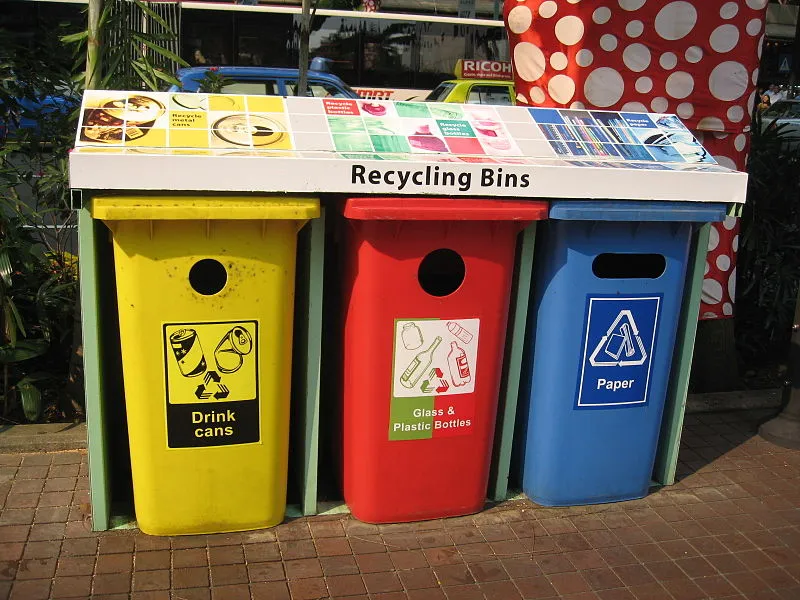
Better waste collection is another important solution. When plastic waste remains uncollected or is poorly managed, it can enter drains, rivers, soil, and marine environments. UNEP emphasizes that effective action must cover the complete lifecycle of plastic and include better waste management and recycling.
Therefore, cities and businesses should improve segregation, collection, sorting, processing, and responsible disposal. Recycling can recover valuable materials and reduce the demand for some virgin resources. Nevertheless, recycling alone cannot solve the Plastic Pollution Crisis because many plastic products are difficult or uneconomical to recycle.
This is why reuse, better product design, responsible consumption, and improved collection must work together.
Strengthen EPR and Business Compliance
Businesses have an important role in reducing plastic waste. Extended Producer Responsibility, or EPR, places responsibility on producers, importers, and brand owners for managing plastic packaging waste according to applicable requirements.
In India, CPCB’s plastic EPR framework requires relevant Producers, Importers and Brand Owners to register and meet their obligations through the applicable EPR system. The framework covers processing through options such as recycling, reuse, and specified end-of-life methods.
Therefore, companies should maintain accurate records, understand their obligations, and work with authorized waste processors. For businesses operating in Noida, professional Plastic Waste Compliance Services in Noida can help organize compliance activities and support proper documentation and reporting.
Promote Better Waste Tracking and Technology
Technology can also improve the way organizations manage waste. Digital records, tracking systems, collection data, and responsible reporting can make waste operations more transparent.
For example, biometric waste management may be considered where organizations need technology-assisted identification or tracking within suitable waste-handling systems. Such approaches can complement conventional collection and monitoring practices.
Furthermore, businesses can use digital systems to monitor waste generation, segregation, collection, and processing. Better data can help organizations identify problem areas and improve resource efficiency.
Encourage Reuse and Circular Economy
Another effective way to tackle the Plastic Pollution Crisis is to move from a linear model toward a circular economy. Instead of producing plastic, using it briefly, and throwing it away, businesses should design products for longer use, reuse, repair, and recycling where technically and economically feasible.
UNEP recommends a lifecycle approach that considers plastic production, product design, use, reuse, waste management, and disposal.
For instance, refill systems and reusable packaging can reduce dependence on single-use products. Likewise, better product design can make certain plastics easier to reuse or recycle.
Increase Public Awareness
Public participation is equally important. People need clear information about waste segregation, responsible disposal, reuse, and recycling. Schools, businesses, communities, and local authorities can organize awareness campaigns and collection drives.
At the same time, manufacturers should provide clearer information about products and disposal methods. When consumers understand how to handle waste correctly, collection and recycling systems can work more effectively.
How Can VP Wastech Help Businesses?
Solving the Plastic Pollution Crisis requires coordinated action from businesses, consumers, governments, and waste-management organizations. Companies must understand their legal responsibilities while also improving everyday waste practices.
VP Wastech can support organizations that want to build more responsible waste-management practices. Professional guidance can help businesses understand applicable requirements, organize documentation, coordinate waste processing, and improve their overall approach to plastic waste.
For companies that need specialized guidance, working with a Plastic Waste Compliance Consultant in Noida can make compliance processes more structured and manageable.
Conclusion: Building a Plastic-Free Future
The Plastic Pollution Crisis cannot be solved through recycling alone. Instead, the world needs a combination of prevention, reduction, reuse, responsible product design, effective collection, recycling, and strong regulatory compliance.
Governments can create effective policies. Businesses can reduce unnecessary plastic and improve their waste practices. Consumers can choose reusable products and dispose of waste responsibly. Moreover, technology and better infrastructure can strengthen collection and tracking systems.
Ultimately, solving the Plastic Pollution Crisis requires action across the entire plastic lifecycle. By working together and adopting practical circular-economy solutions, society can reduce plastic leakage, protect ecosystems, and move toward a cleaner and more sustainable future.