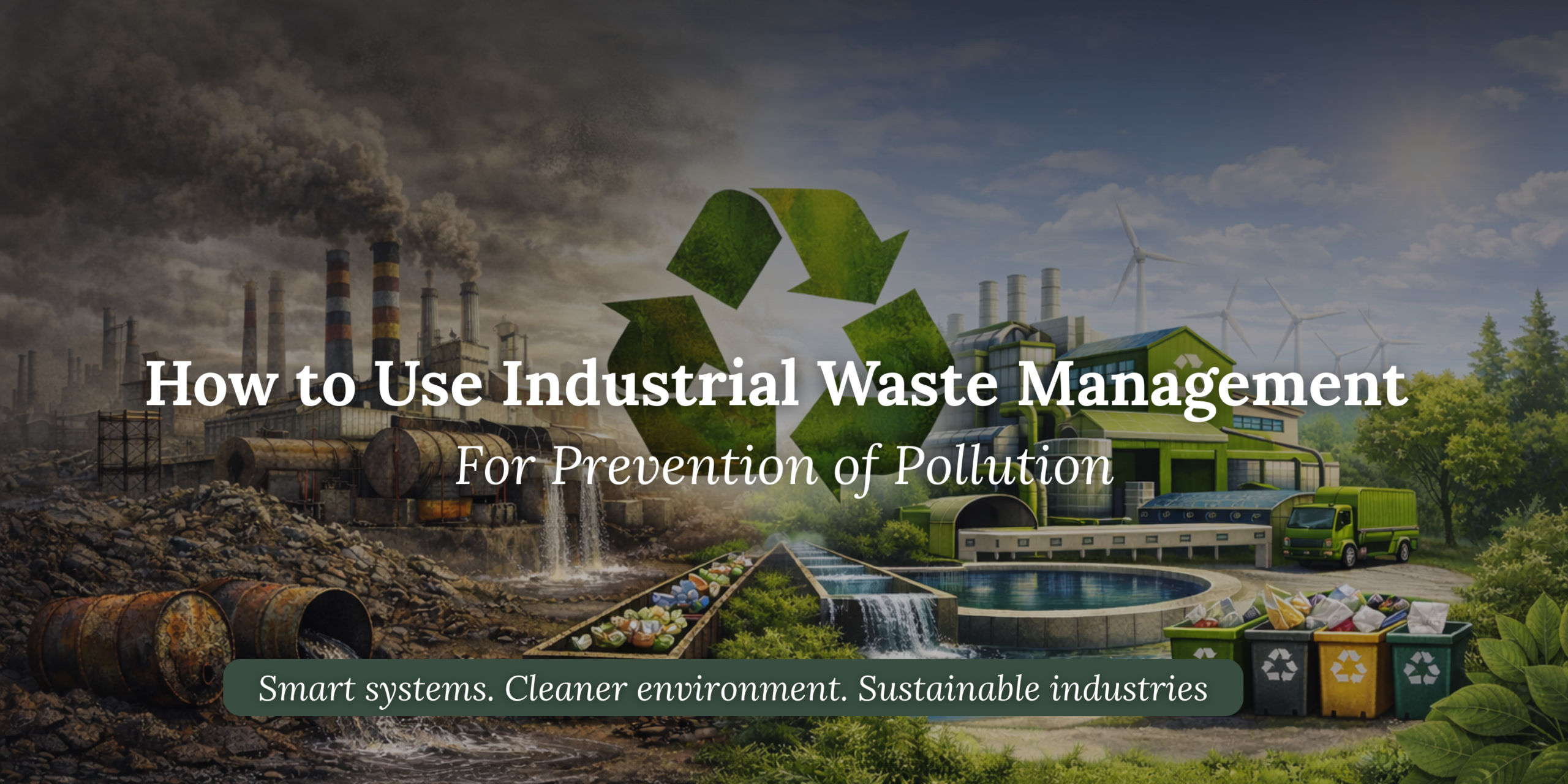
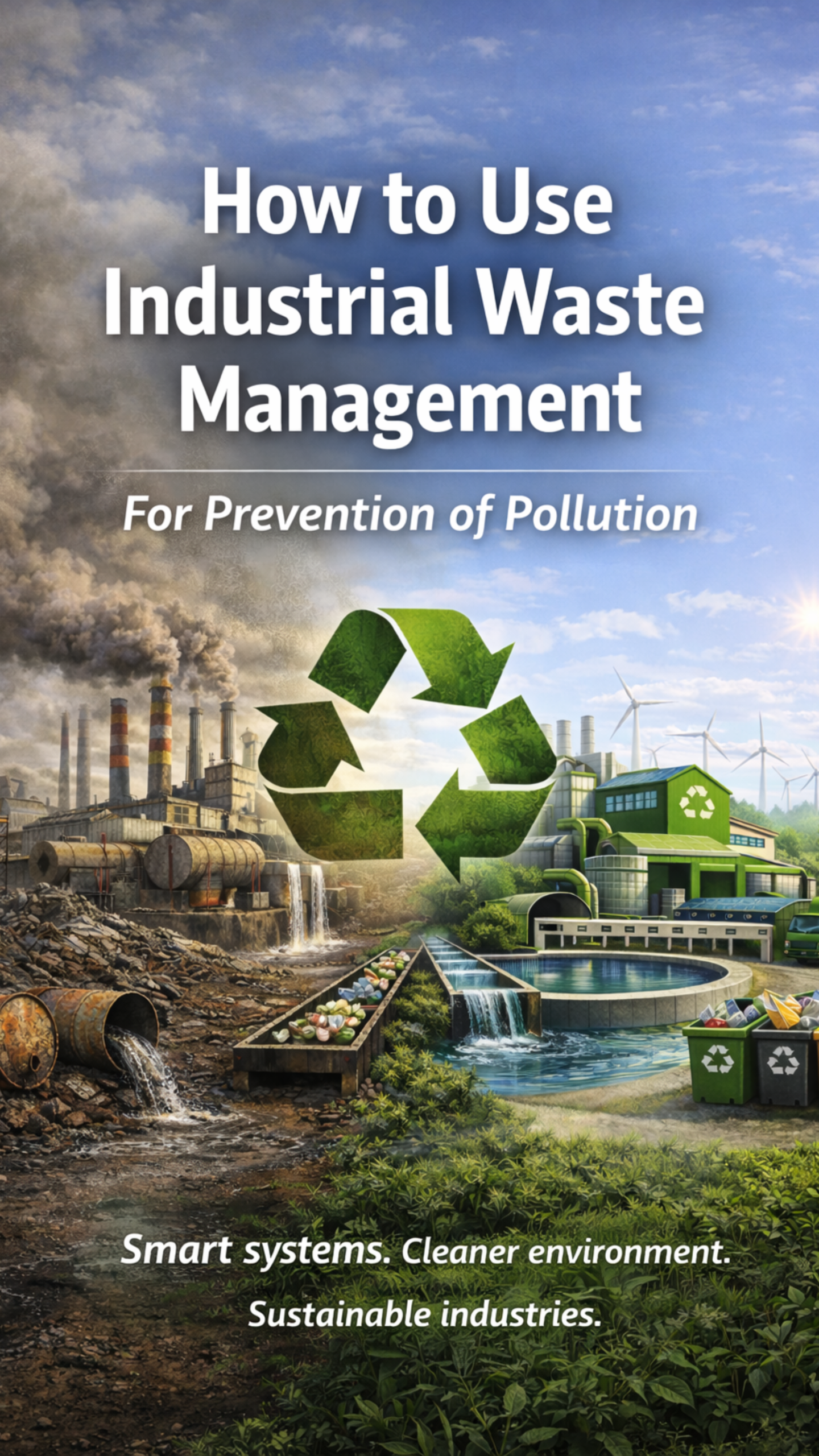
Industrial growth has played a vital role in economic development. However, at the same time, it has significantly increased waste generation. Therefore, adopting a structured industrial waste management system becomes essential for the prevention of pollution. When industries manage waste responsibly, they not only protect the environment but also reduce health risks, legal liabilities, and operational costs.
Moreover, many facility managers, authorities, and stakeholders still lack awareness of effective waste management practices. As a result, understanding how industrial waste management contributes to the prevention of pollution is critical for long-term sustainability within the Waste Management Industry.
Understanding Industrial Waste Management and Its Environmental Role
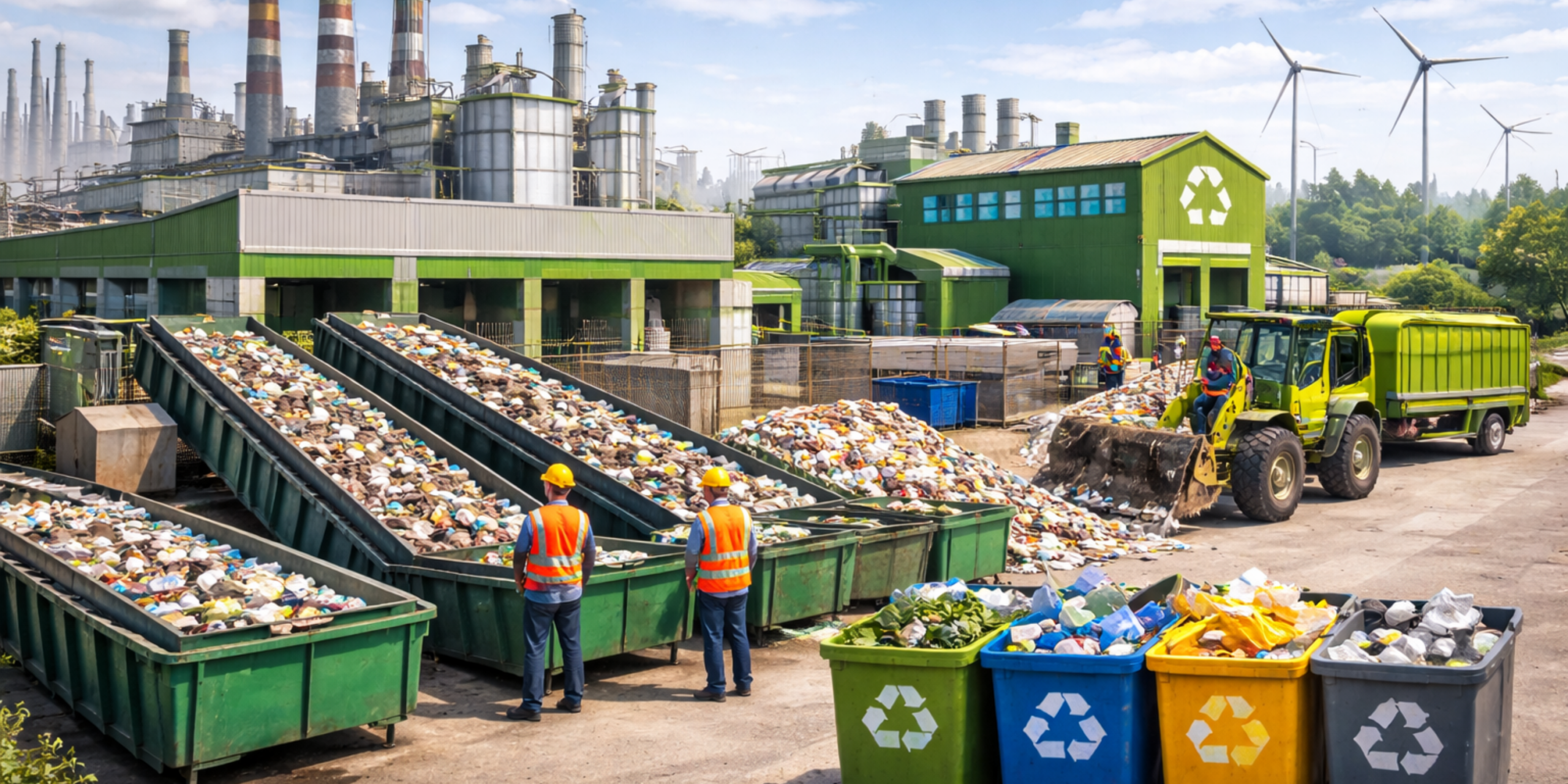
Industrial waste management refers to the systematic handling, treatment, recycling, and disposal of waste generated by industrial activities. Importantly, this process directly supports the prevention of pollution by limiting the release of harmful contaminants into land, air, and water.
Additionally, effective waste management reduces occupational hazards and protects surrounding communities. Therefore, industries increasingly rely on structured systems and the Best industrial waste management Services to meet environmental and safety standards.
Types of Industrial Waste Management Practices
1. Waste Segregation and Composting for Prevention of Pollution
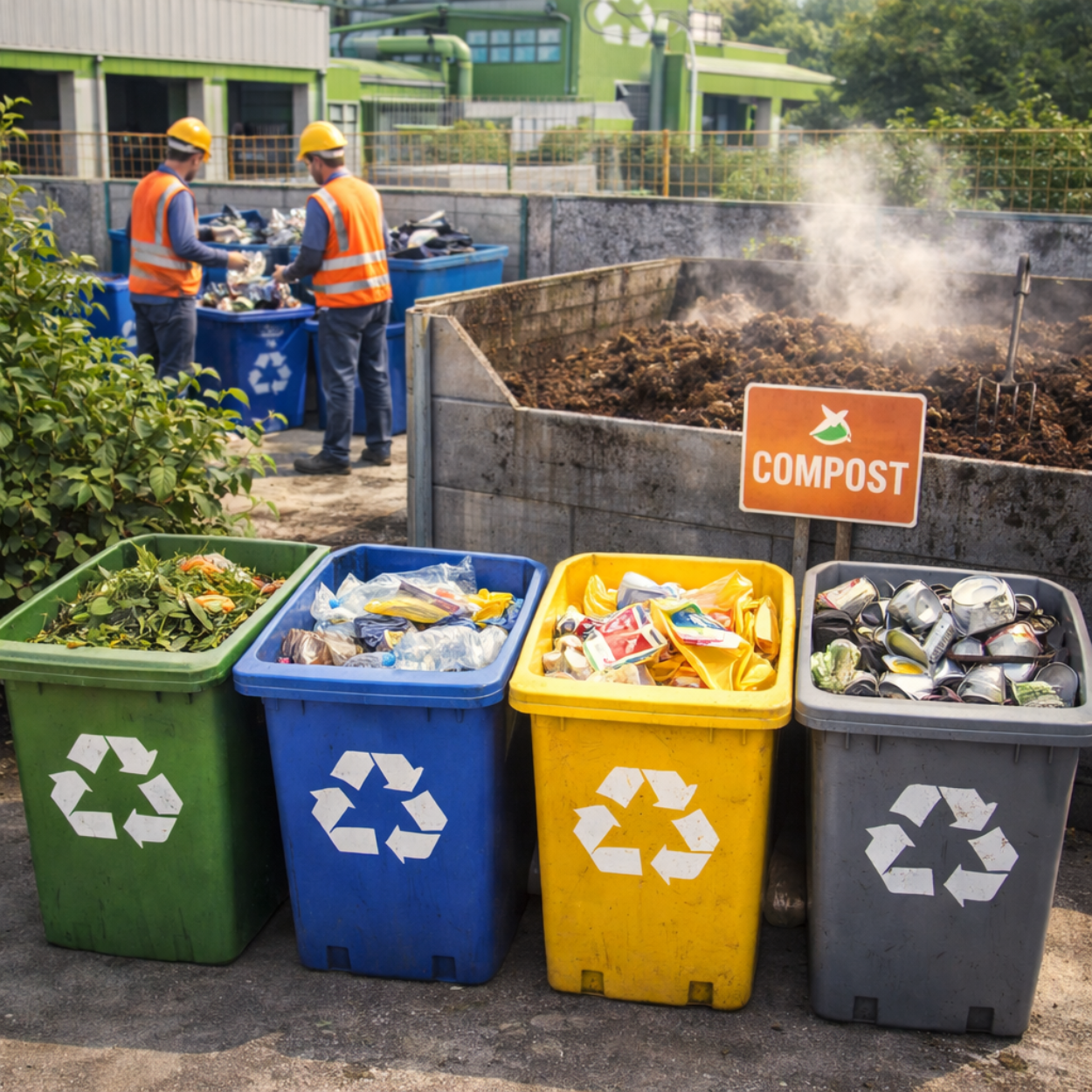
To begin with, waste segregation is the foundation of industrial waste management. By separating waste according to type, industries ensure safer handling and treatment. Consequently, biodegradable waste can undergo composting, which enriches soil quality and supports the prevention of pollution.
Furthermore, composting reduces landfill dependency and minimizes harmful emissions. As a result, segregation and composting play a key role in sustainable waste practices.
2. Landfilling and Its Environmental Impact
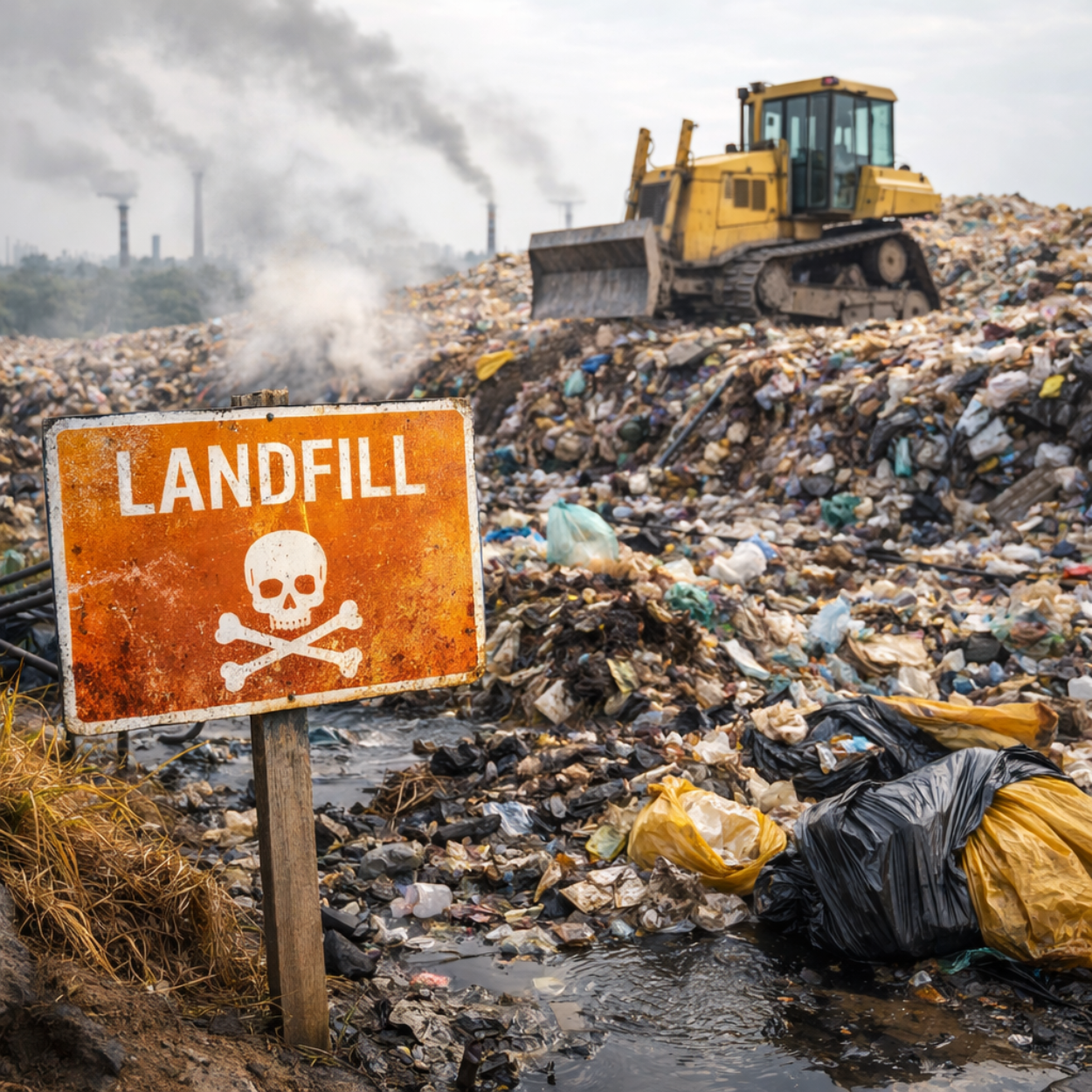
Although landfilling remains a commonly used method, it is the least preferred option. This is because landfilling directly introduces waste into the environment. Therefore, improper landfilling undermines the prevention of pollution and poses serious environmental risks.
In contrast, industries are encouraged to minimize landfill use by adopting recycling and waste reduction strategies.
3. Recycling and Resource Recovery
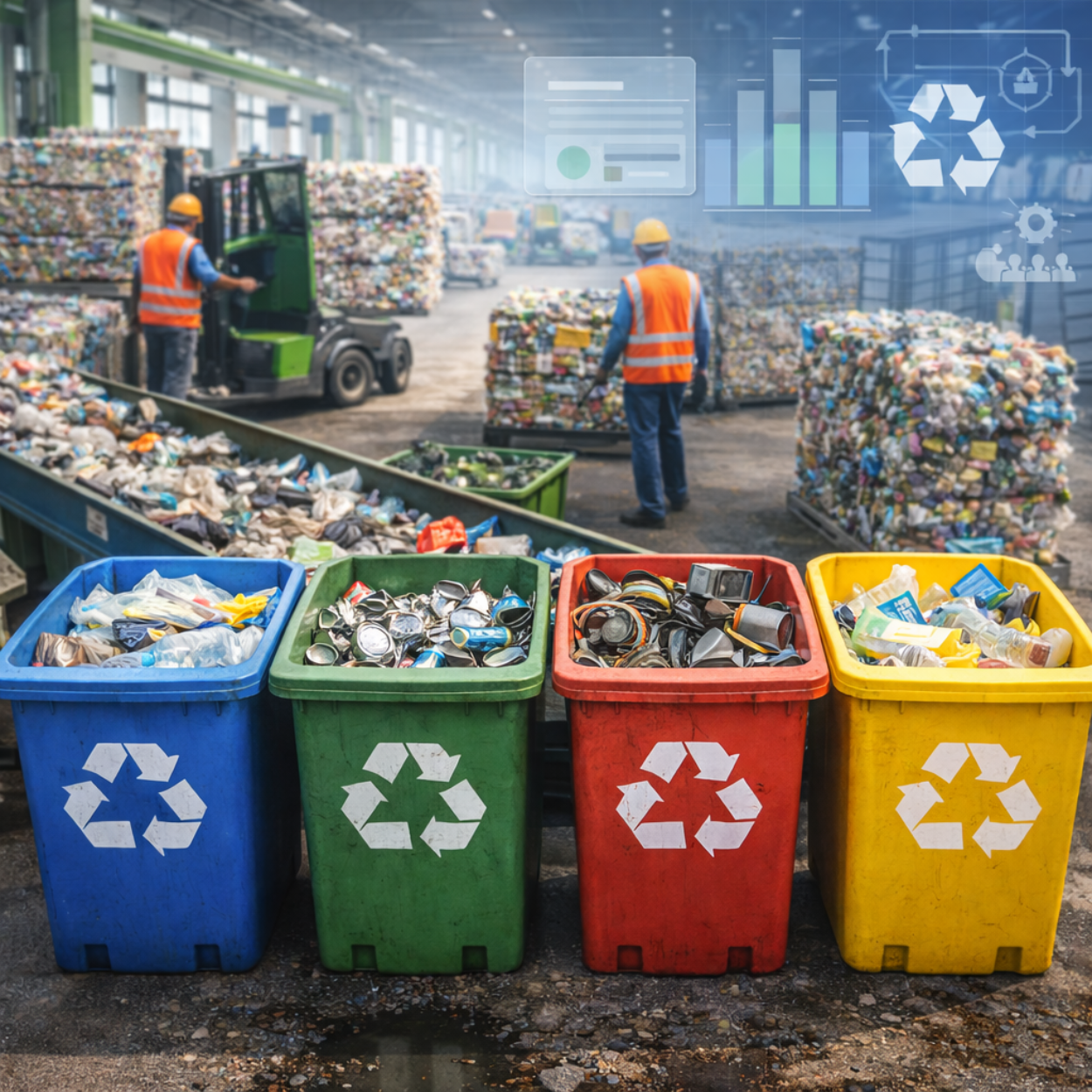
Recycling involves reusing or repurposing industrial waste to reduce overall waste generation. Moreover, recycling conserves raw materials and energy while supporting the prevention of pollution.
Additionally, modern waste management facilities use specialized technologies to improve recycling efficiency. As a result, recycling has become a critical pillar of the Waste Management Industry.
Importance of Waste Characterisation in Industrial Facilities
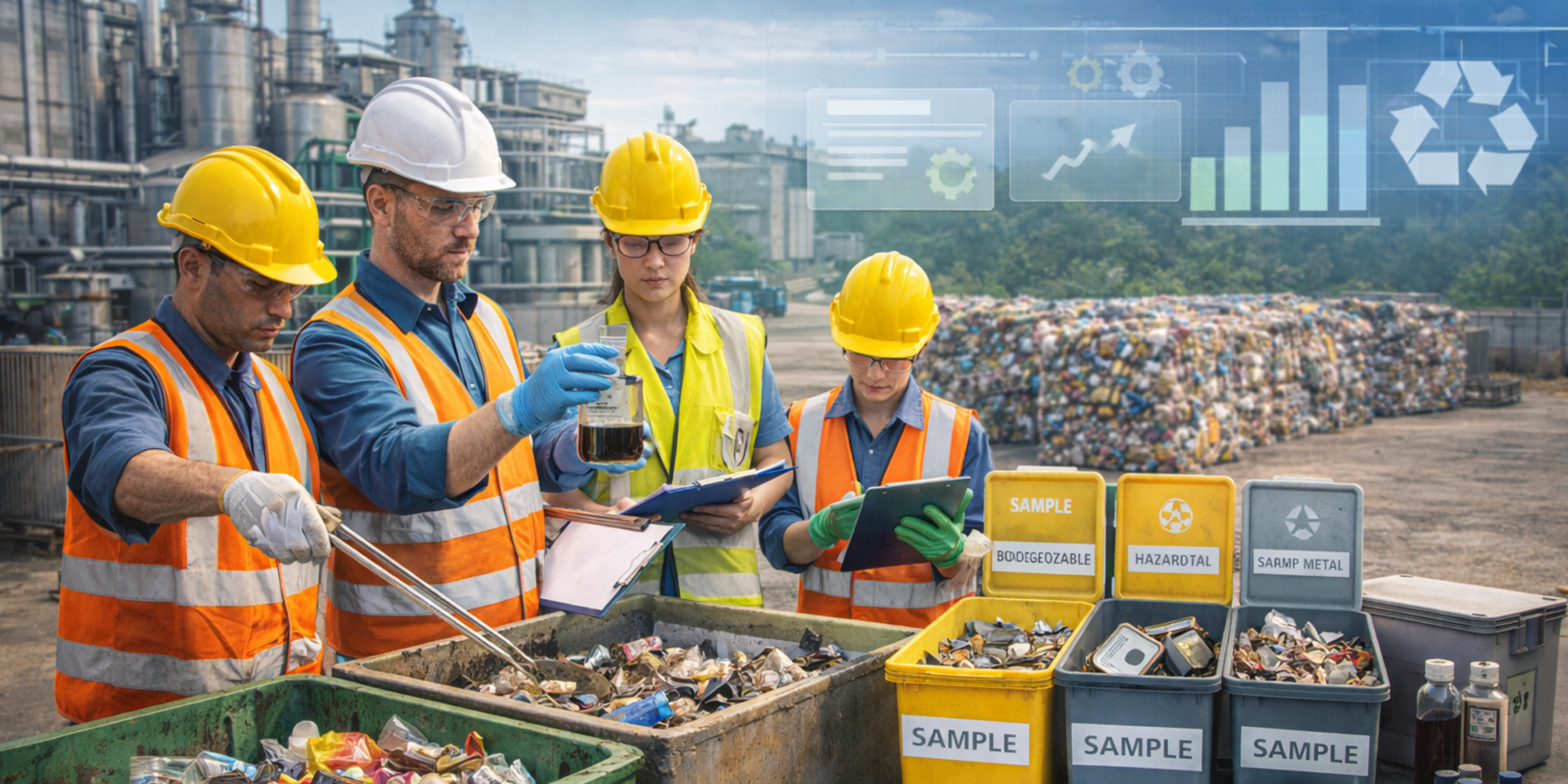
Waste management practices differ across facilities. Therefore, waste characterization becomes essential to evaluate the type, volume, and nature of waste produced. Through proper analysis, industries can select the most effective treatment methods for the prevention of pollution.
Furthermore, this process involves skilled professionals such as process engineers, sampling teams, and quality control experts. Together, they track waste accurately and ensure regulatory compliance.
Problems Caused by Improper Industrial Waste Disposal
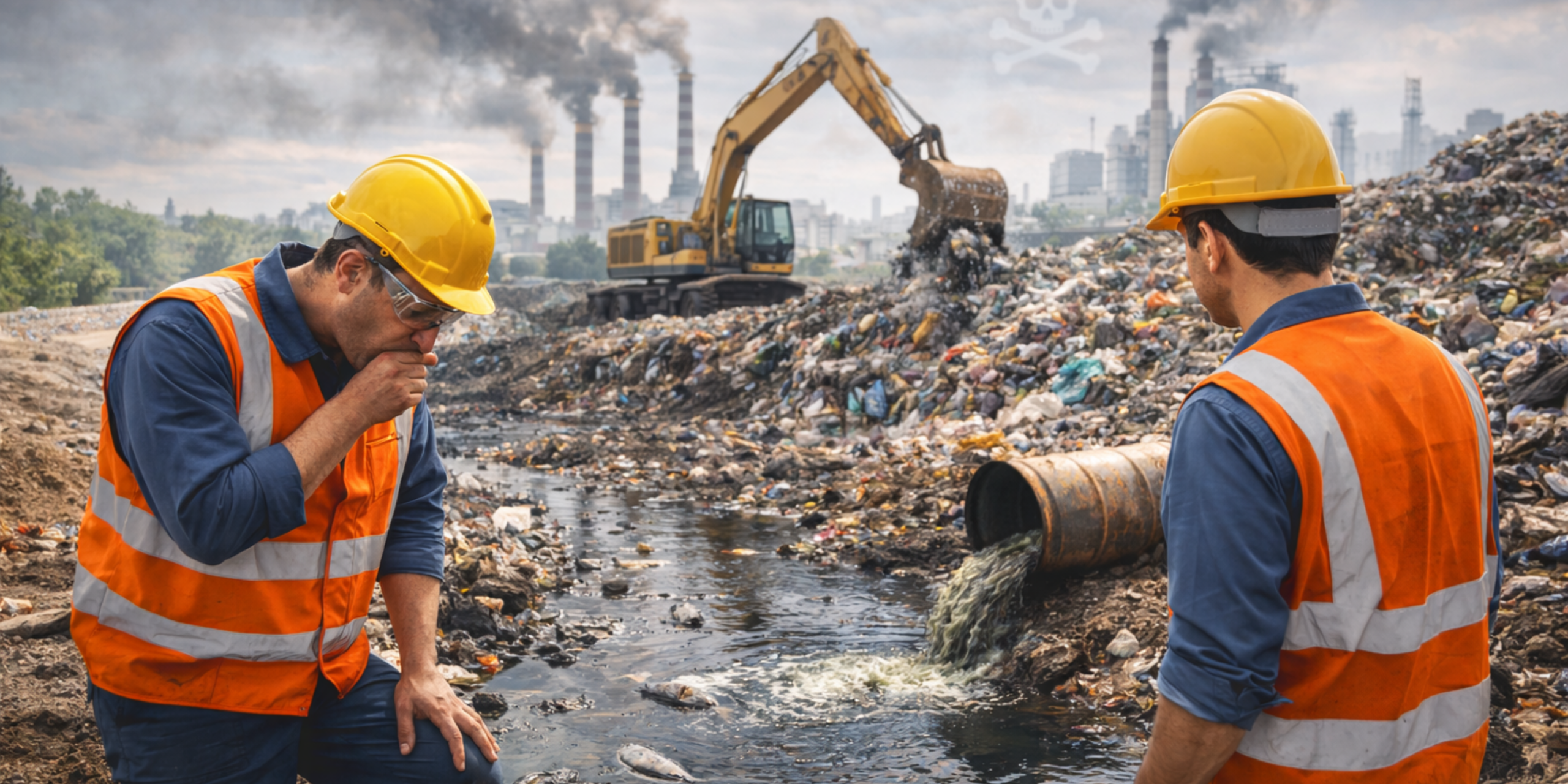
Industrial waste poses serious environmental and health risks when not managed properly. For example, uncontrolled disposal can contaminate soil, air, and water sources. Consequently, this directly threatens employee safety and public health.
Additionally, unregulated dumping remains a common practice in many industries. Therefore, strengthening industrial waste management systems is essential for the prevention of pollution and environmental protection.
How Industrial Waste Management Enables Prevention of Pollution
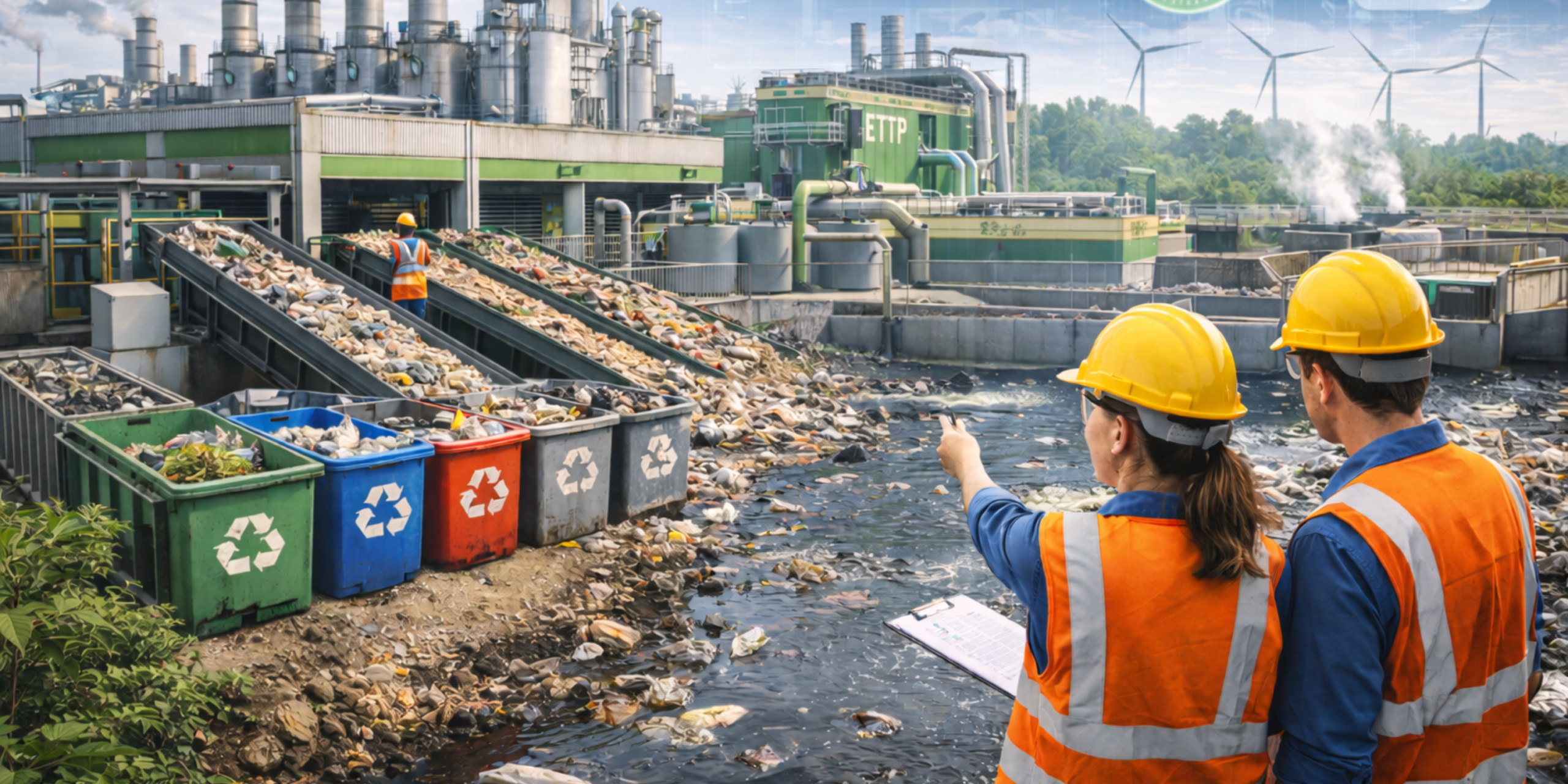
Industrial waste management focuses on using methods, resources, and technologies that reduce waste generation and pollutant release. As a result, industries can lower environmental risks while improving operational efficiency. This strategic approach supports the prevention of pollution across industrial processes.
Industrial Waste Management Strategies for Prevention of Pollution
1. Source Reduction as the First Line of Defense
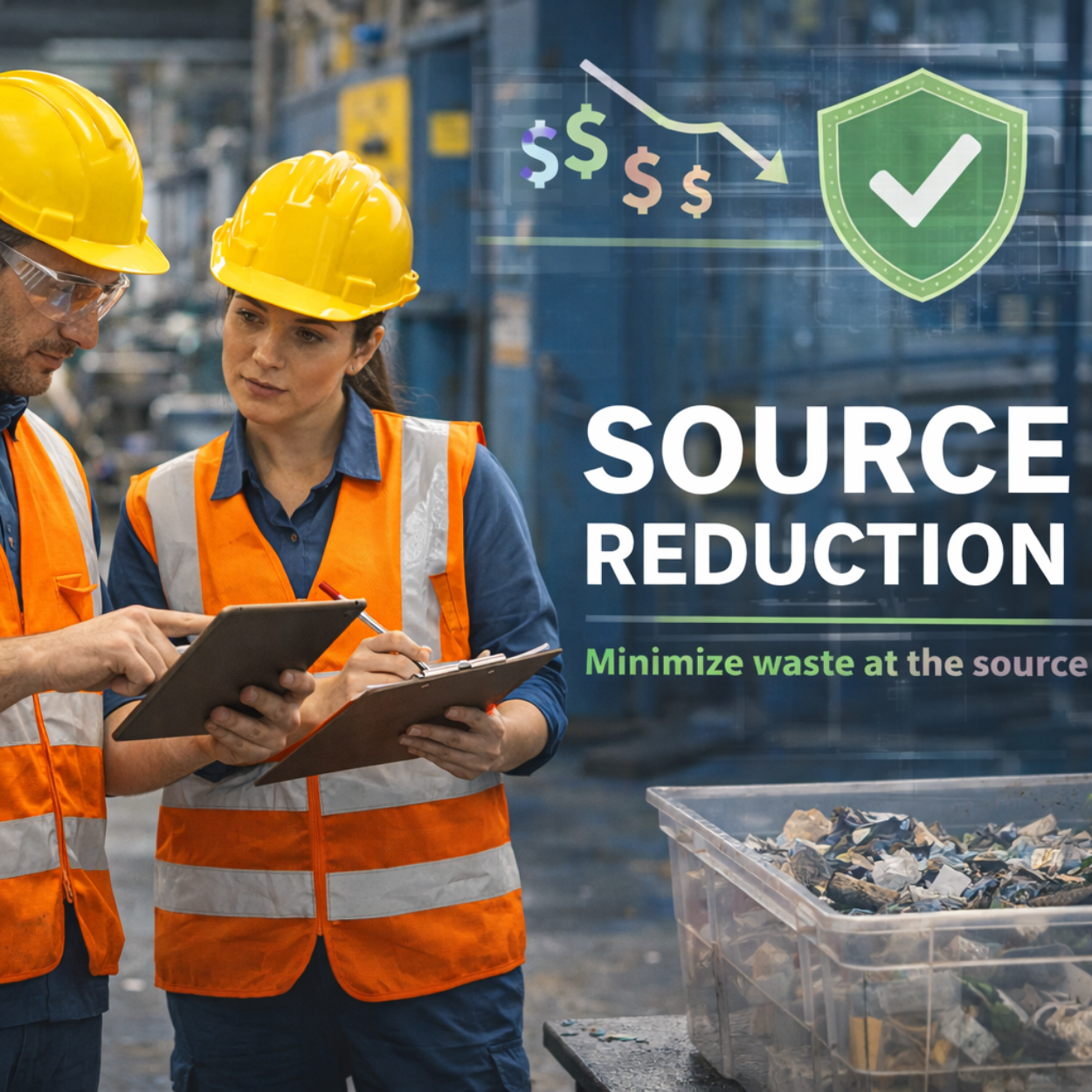
Source reduction aims to minimize waste generation before recycling or disposal. Therefore, it is the most effective strategy for the prevention of pollution. However, industries must ensure that source reduction does not negatively impact other processes.
Moreover, this approach reduces treatment costs and environmental liabilities.
2. Recycling as a Secondary Strategy
Recycling is the second most effective method after source reduction. It includes in-process recycling, reuse of treated water, and discovering alternative uses for materials. Consequently, recycling supports the prevention of pollution while maximizing resource efficiency.
Additionally, industries offering Industrial Waste Management Services in Noida increasingly focus on recycling solutions to meet sustainability goals.
3. Waste Treatment Methods
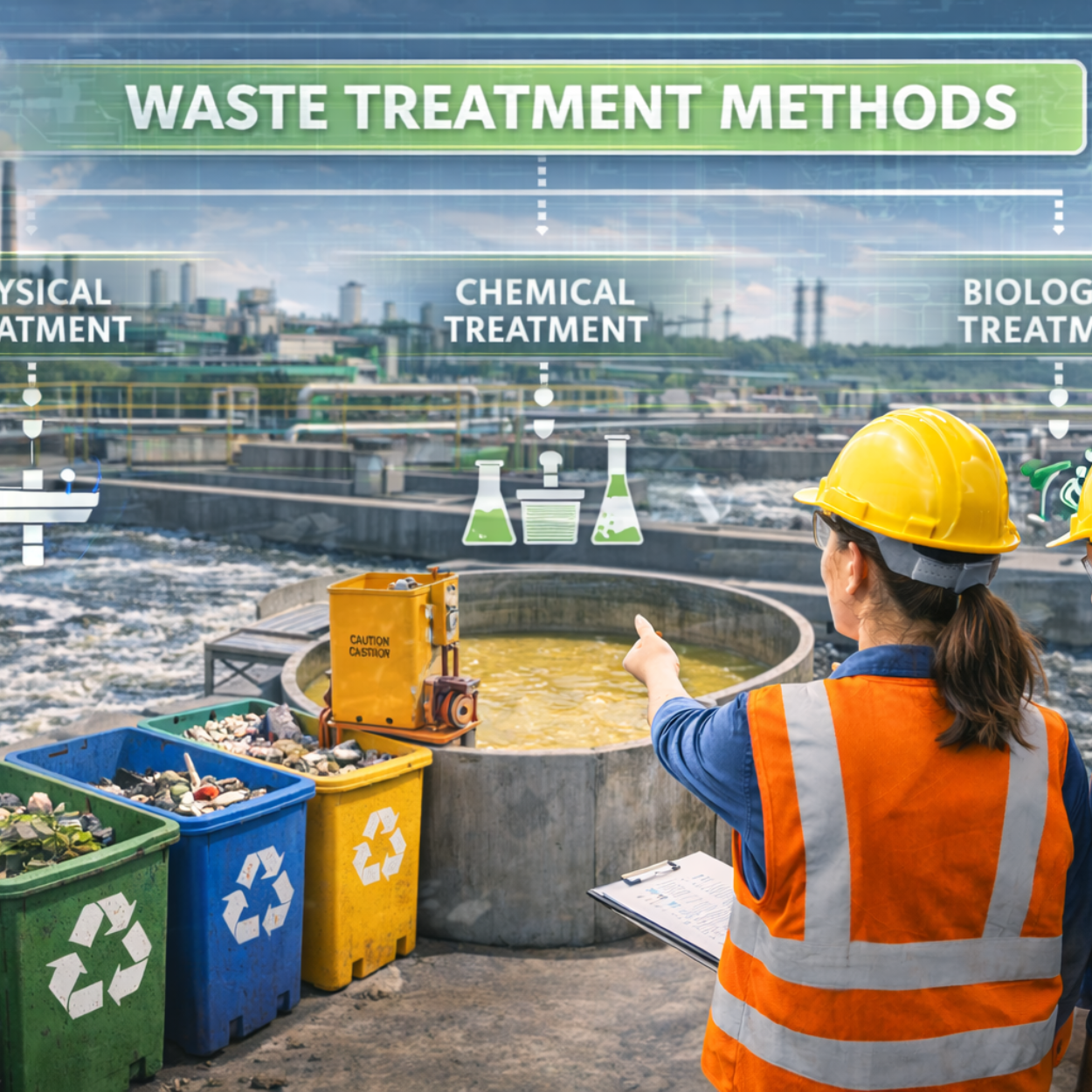
Although waste treatment is less preferred, it remains important. Treatment methods alter hazardous waste to make it less harmful. These include physical, chemical, and biological treatments, which support the prevention of pollution when disposal cannot be avoided.
Steps Industries Should Take to Prevent Pollution
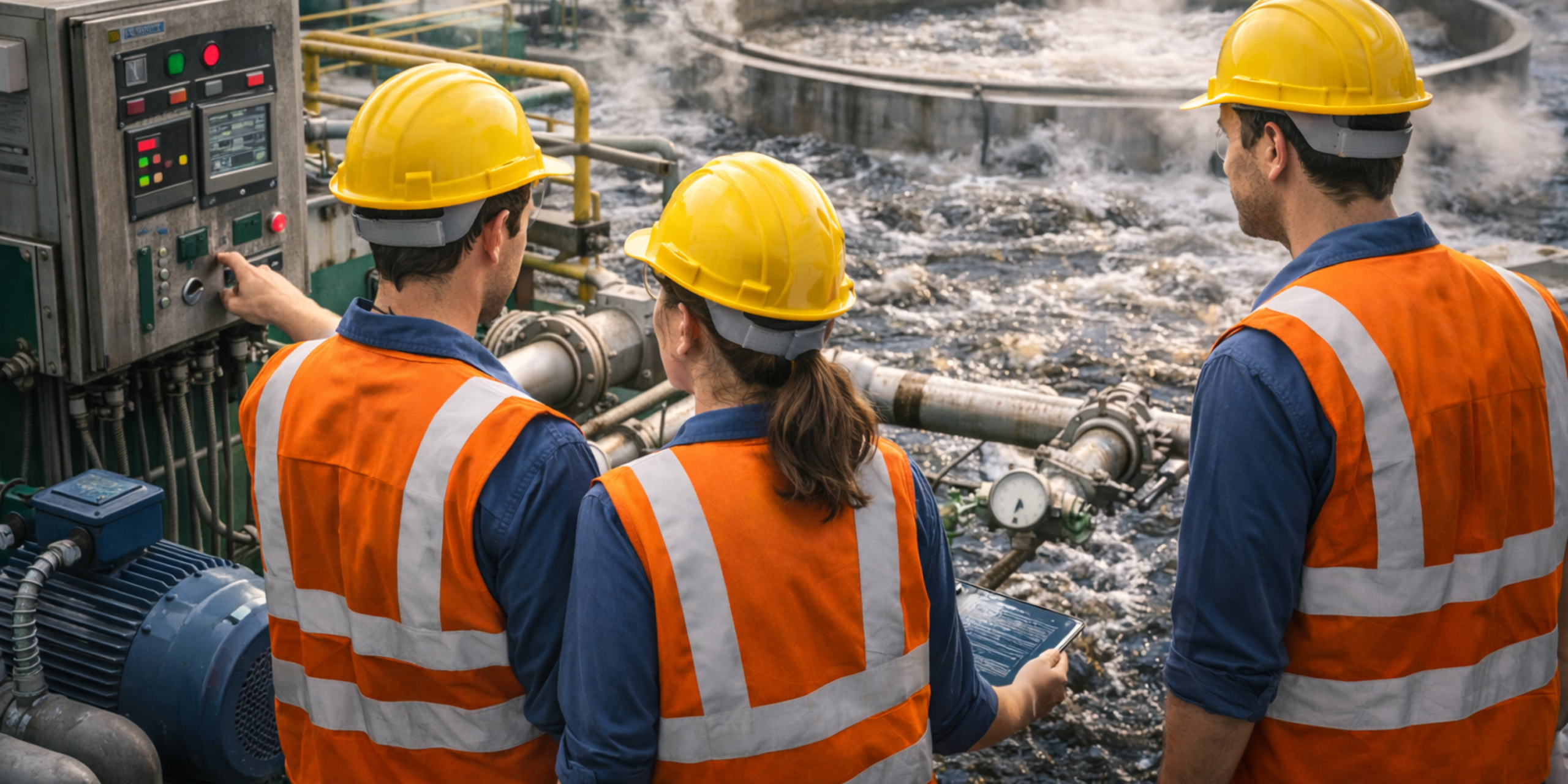
To strengthen pollution control efforts, industries should:
- Evaluate source reduction, recycling, reuse, treatment, and disposal options
- Assess environmental and cost benefits
- Develop a structured waste reduction plan
- Conduct pollution prevention opportunity assessments
- Seek guidance from professional waste management providers
As a result, industries can implement safer and more efficient waste systems aligned with environmental standards.
Conclusion: Building a Sustainable Future Through Waste Management
In conclusion, industrial waste management plays a crucial role in protecting the environment and public health. By adopting segregation, recycling, source reduction, and treatment strategies, industries can achieve the prevention of pollution effectively.
Furthermore, collaboration with experienced service providers and continuous process improvement strengthens sustainability efforts. Ultimately, responsible waste management ensures compliance, reduces risks, and supports a cleaner future within the Waste Management Industry.