Managing waste has become one of the biggest environmental challenges in the modern world. As urban populations continue to grow, people produce more garbage every day. Therefore, people must understand the importance of proper waste handling. One of the most effective ways to improve waste management is through Waste Segregation.
Today, many organizations and households rely on Reliable Waste Collection Services to manage waste responsibly. However, waste collection alone is not enough. People must also separate waste correctly at the source. As a result, recycling becomes easier, landfill waste decreases, and environmental pollution can be reduced significantly.
According to the United Nations Environment Programme (UNEP), the world generates more than 2 billion tonnes of waste every year. Moreover, poor waste management contributes to greenhouse gas emissions, soil contamination, and health problems.
What Is Waste Segregation?
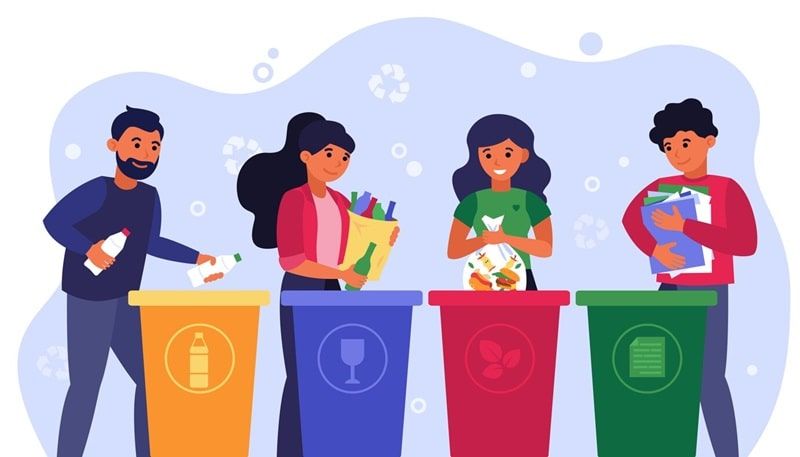
Waste Segregation refers to the process of separating waste into different categories based on its type and characteristics. In simple terms, it means sorting waste before disposal so that each type can be treated properly.
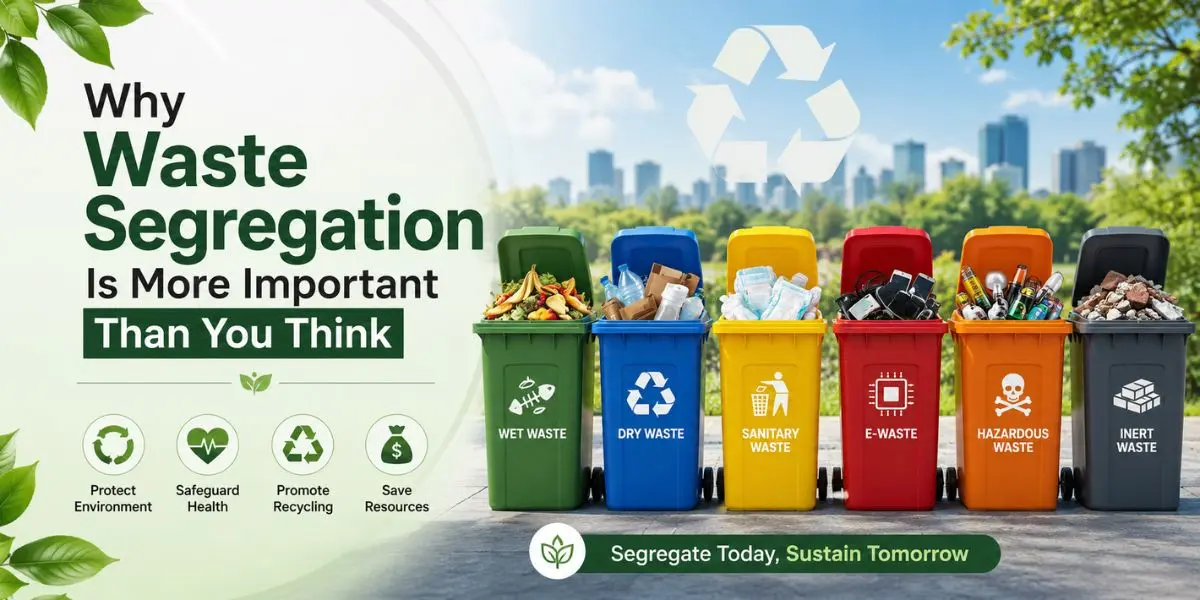
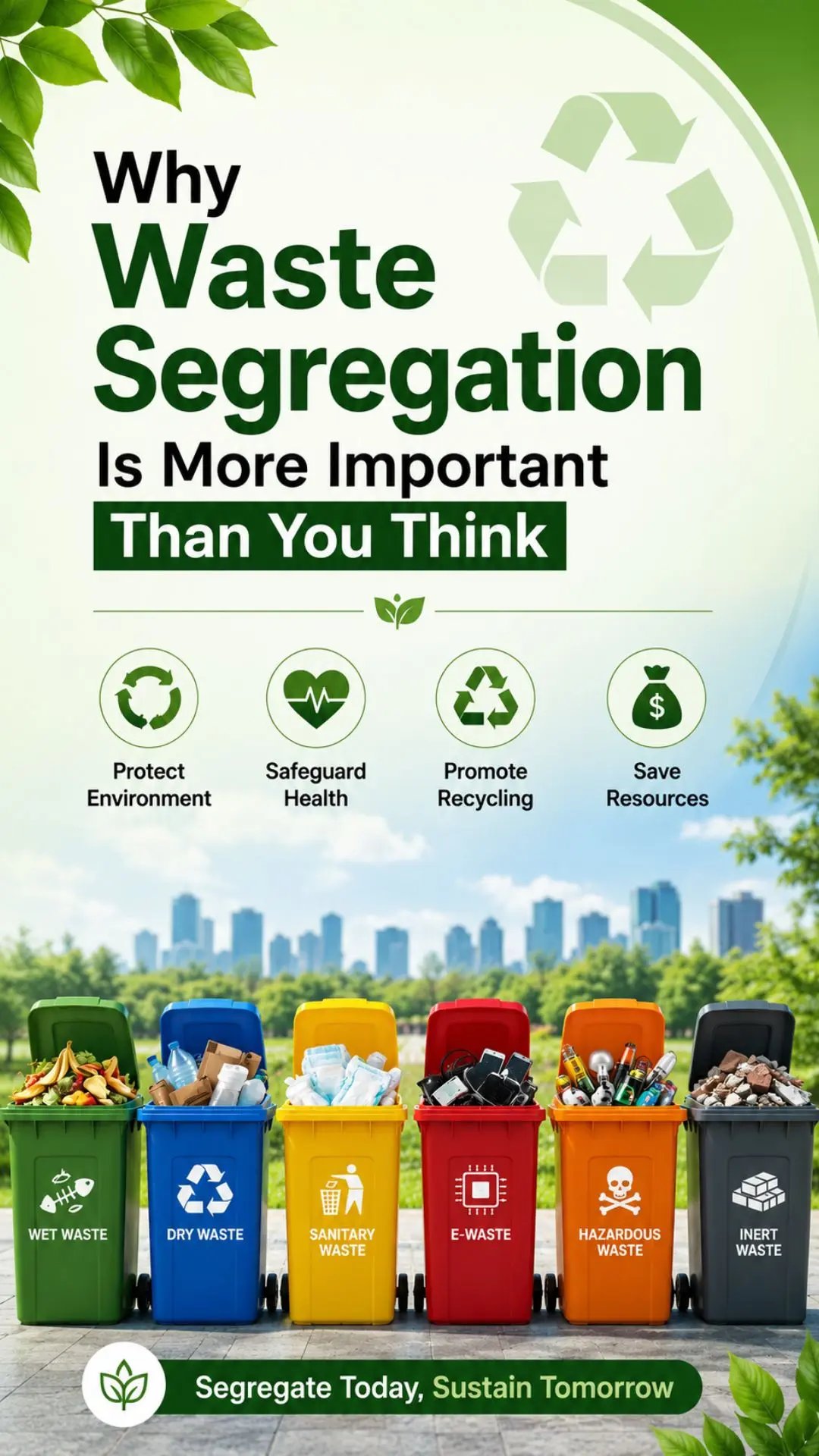
Generally, waste is divided into the following categories:
- Wet waste
- Dry waste
- Sanitary waste
- E-waste
- Hazardous waste
- Inert waste
For example, food leftovers and garden waste belong to wet waste because they are biodegradable. On the other hand, plastics, paper, and glass are categorized as dry waste.
Therefore, proper classification helps waste management companies recycle and process waste more efficiently.
What Is the Waste Segregation Problem?
The waste segregation problem is becoming a major environmental concern in homes, industries, and urban areas. Many people still mix wet waste, dry waste, plastic, and hazardous materials in a single bin, making recycling and disposal difficult. Lack of awareness, improper collection systems, and limited recycling facilities are some common reasons behind poor waste segregation practices. Improper segregation increases landfill waste, pollution, and health risks. By following proper waste separation methods and spreading awareness, communities can improve recycling efficiency and support sustainable waste management practices.
Why Waste Segregation Matters for the Environment
Waste Segregation Reduces Landfill Waste
One of the biggest benefits of Waste-Segregation is the reduction of landfill waste. When people mix biodegradable and recyclable materials together, they make recycling more difficult. Consequently, most of the waste ends up in landfills.
UNEP reports that dumpsites and landfills produce methane, which is a greenhouse gas far more harmful than carbon dioxide.
However, segregating waste at the source helps reduce methane emissions because organic waste can be composted separately. As a result, environmental damage decreases significantly.
Waste Segregation Supports Recycling
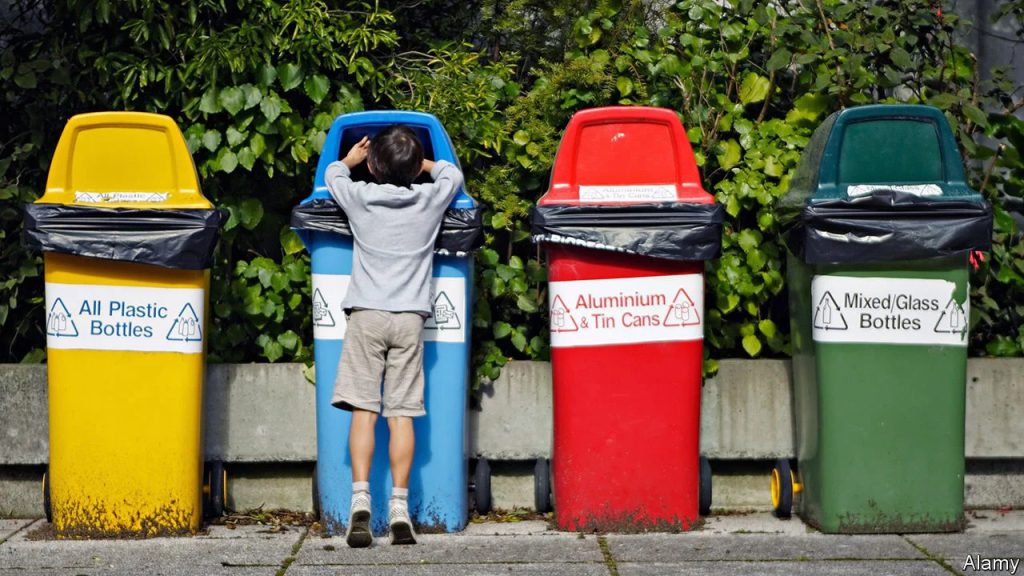
Recycling becomes more effective when waste is properly separated. For instance, manufacturing industries can reuse clean plastic, paper, and glass. Therefore, industries require fewer raw materials.
Additionally, recycling helps conserve natural resources and reduces energy consumption. According to UNEP, recycling and recovery programs support sustainability while minimizing pollution.
How Waste Segregation Protects Public Health
Improper waste disposal creates serious health risks. When hazardous waste mixes with household waste, harmful chemicals may leak into the soil and water. Consequently, people living near dumping sites face greater health problems.
The World Health Organization (WHO) warns that poorly managed waste contributes to air pollution, contaminated water, and disease spread.
Waste Segregation Prevents Disease Spread
Effective Waste Segregation helps separate medical, sanitary, and hazardous waste from ordinary household garbage. Therefore, waste workers and communities remain safer.
For example, used sanitary products, chemicals, and electronic waste contain toxic materials. If these materials are not separated properly, they may cause infections, skin irritation, and respiratory illnesses.
Moreover, proper segregation reduces exposure to insects, rodents, and bacteria that commonly grow in unmanaged waste areas.
Waste Segregation Improves Waste Management Efficiency
Waste management companies operate more efficiently when waste is already sorted. As a result, transportation, recycling, and disposal processes become faster and more cost-effective.
Today, many businesses use digital waste tracking systems and smart recycling technologies to improve waste handling operations. Similarly, municipalities increasingly promote Waste Collection Services in Noida and other urban regions to encourage responsible disposal practices.
Furthermore, proper waste segregation helps construction companies and healthcare facilities reduce disposal costs. Since recyclable materials can be separated easily, organizations send less waste to landfills.
Economic Benefits of Waste Segregation
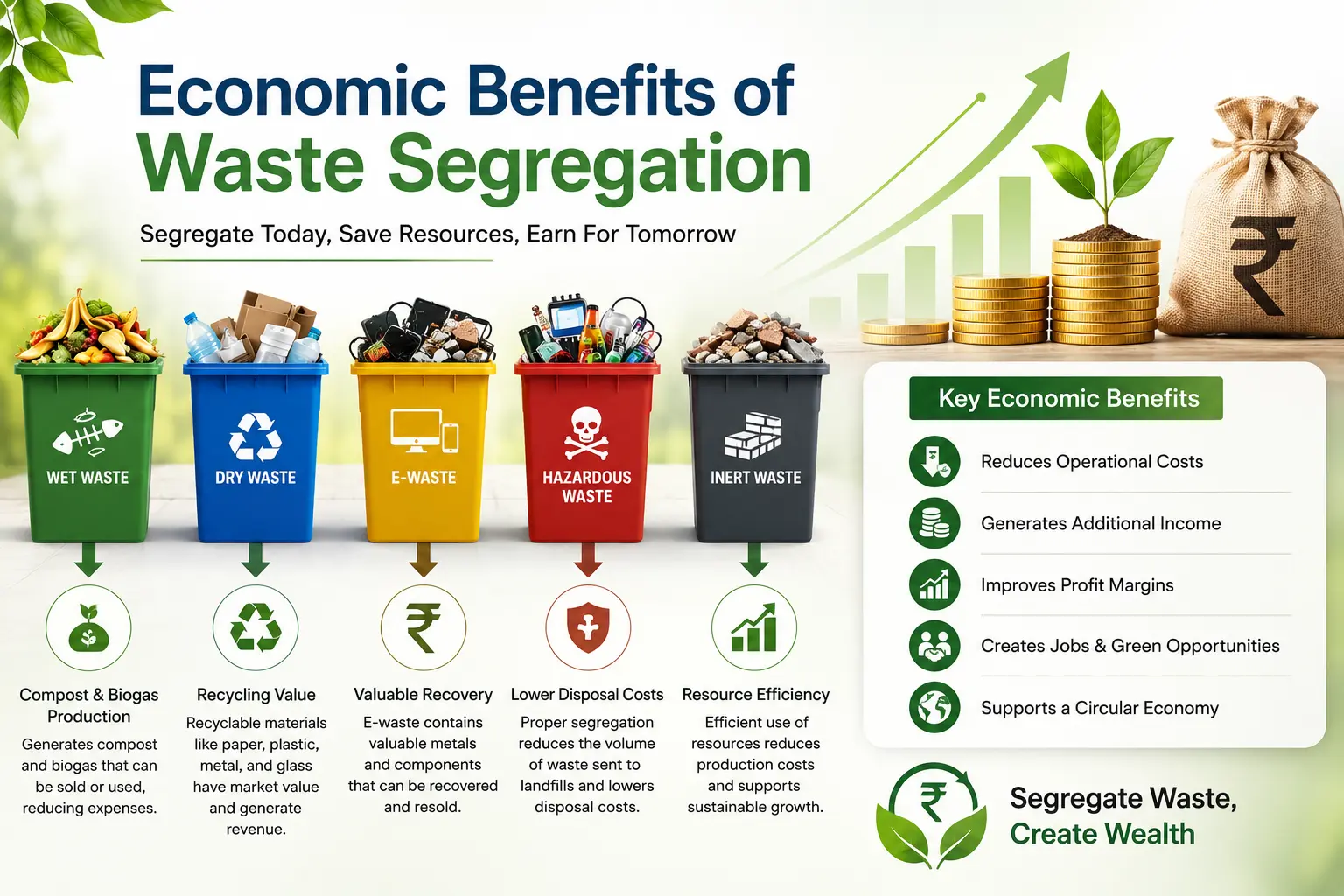
Many people overlook the financial advantages of Waste Segregation. However, segregated waste has economic value because recyclable materials can be recovered and reused.
For example:
- Recycled plastic can be converted into new packaging products
- Paper waste can be reused in manufacturing
- Organic waste can produce compost and biogas
Consequently, businesses can reduce production costs while supporting sustainable development.
In addition, efficient waste management creates employment opportunities in recycling, transportation, and waste processing industries.
Waste Segregation Helps Fight Climate Change
Climate change has become a global concern. Therefore, every small environmental action matters. One important benefit of Waste Segregation is its role in reducing greenhouse gas emissions.
When organic waste decomposes in landfills, it releases methane gas. However, composting wet waste separately can reduce methane production significantly.
According to WHO and UNEP reports, proper waste management practices reduce pollution, improve air quality, and support climate change mitigation.
Therefore, households, businesses, and governments must work together to encourage responsible waste-segregation practices.
Conclusion
In conclusion, Waste Segregation is much more important than most people realize. It supports recycling, reduces landfill waste, protects public health, and minimizes environmental pollution. Moreover, it helps conserve valuable resources for future generations. As cities continue to expand, responsible waste handling will become even more essential. Therefore, every household and organization should adopt proper segregation habits daily. Combined with professional Waste Collection Services, effective segregation can create cleaner cities, healthier communities, and a more sustainable future.
By making small changes today, society can build a safer and greener tomorrow.