If your business deals with products that generate waste, especially plastic or electronic waste, you must comply with extended producer responsibility regulations. Therefore, EPR certificate compliance has become essential for producers, importers, and brand owners in India. Moreover, understanding how long it takes to get an EPR certificate can help you plan your compliance effectively. For companies looking at professional support, engaging EPR Registration Services in Noida can significantly streamline this journey.
In this article, we explain typical timelines for obtaining an EPR certificate, what influences processing time, and how professional guidance can help reduce delays.
What Is an EPR Certificate?
A government-issued compliance document known as an Extended Producer Responsibility (EPR) certificate attests to a company’s fulfillment of its EPR responsibilities under relevant waste management legislation, such as India’s E-Waste Management Rules and Plastic Waste Management Rules. It shows that your company has a systematic plan to handle, recycle, or dispose of end-of-life products responsibly, thereby reducing environmental impact.
Without this certificate, companies risk regulatory penalties and operational setbacks. Therefore, knowing how many days to get an EPR certificate is crucial for uninterrupted business operations.
Typical Timeline to Get an EPR Certificate in India
How many days does it take to receive an EPR certificate?” depends on several factors. Generally, timelines can vary based on the type of EPR application — plastic waste, e-waste, battery waste, or electronic goods. However, current online sources outline common processing windows:
1. 15 Days Processing for Plastic Waste
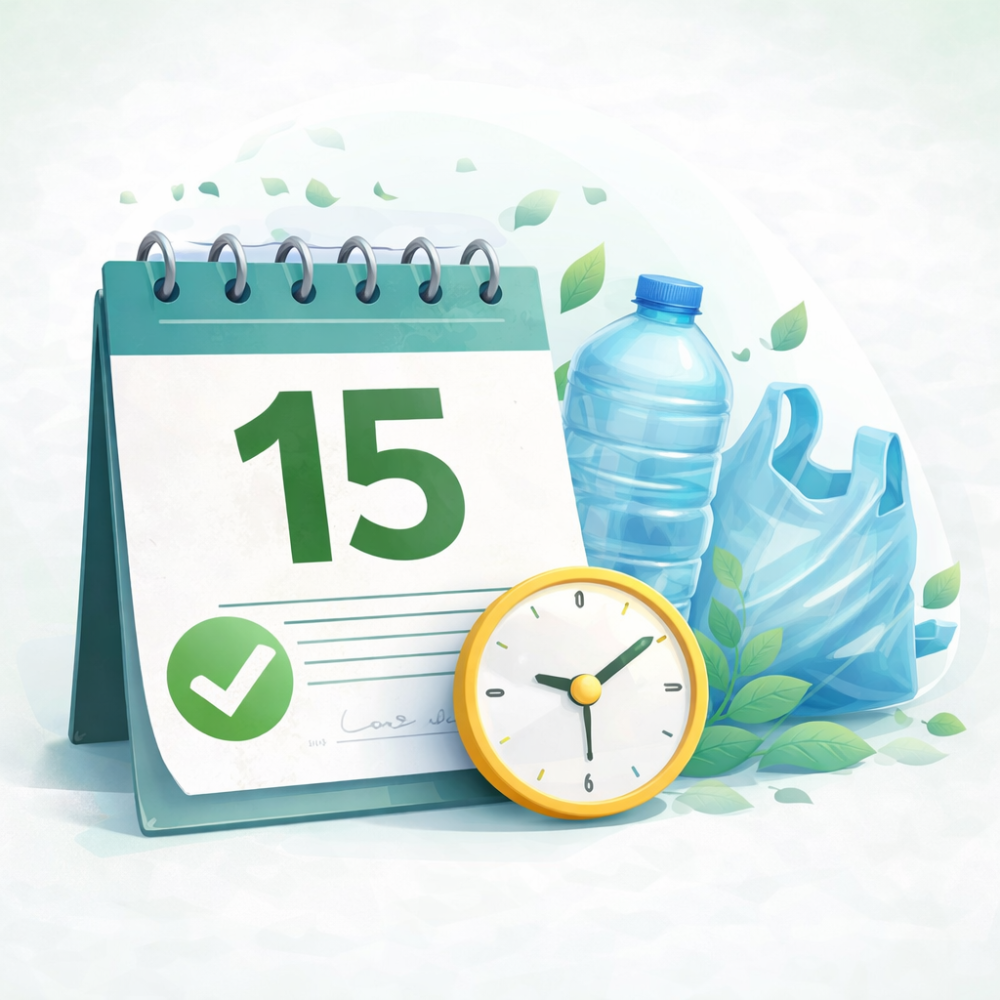
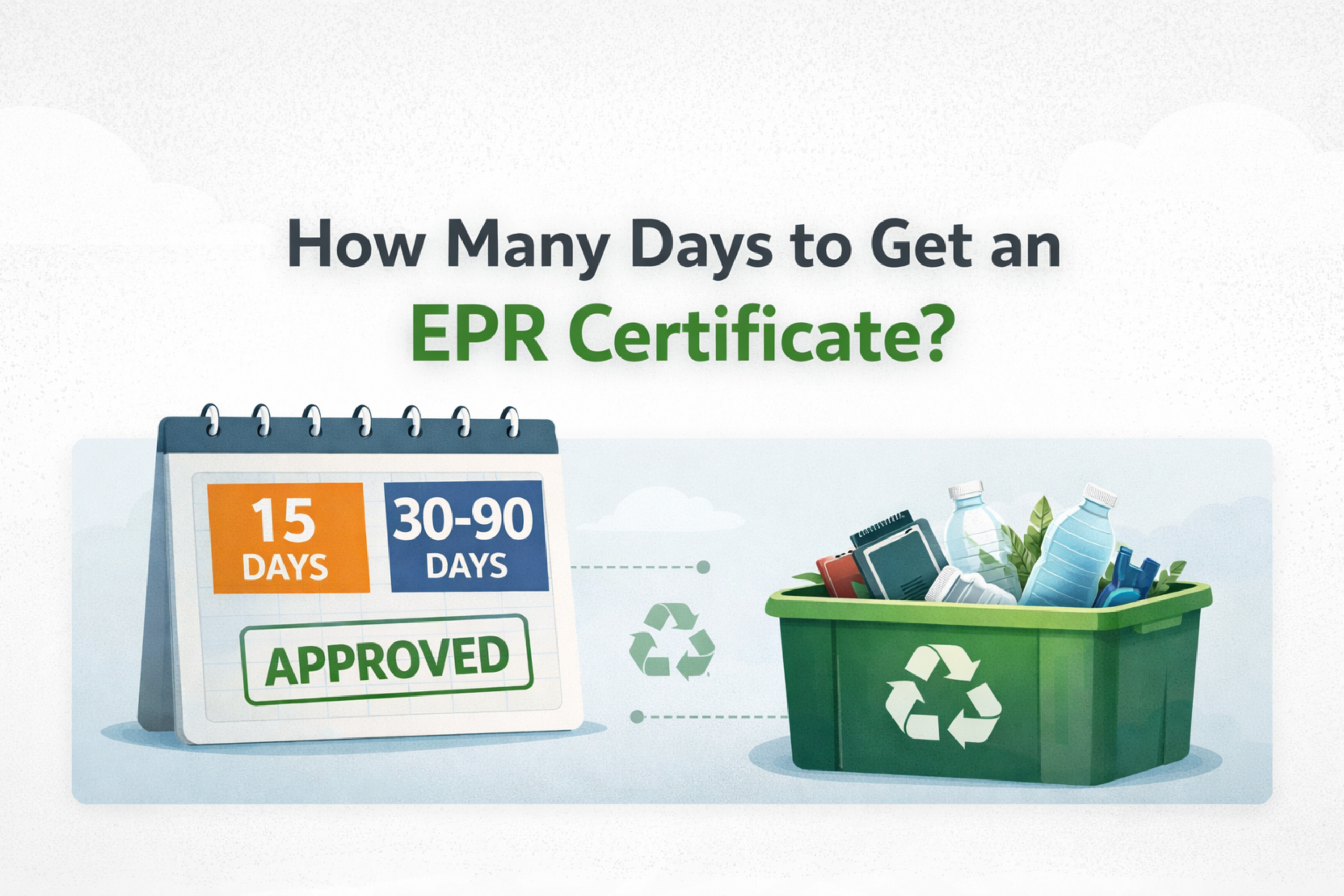
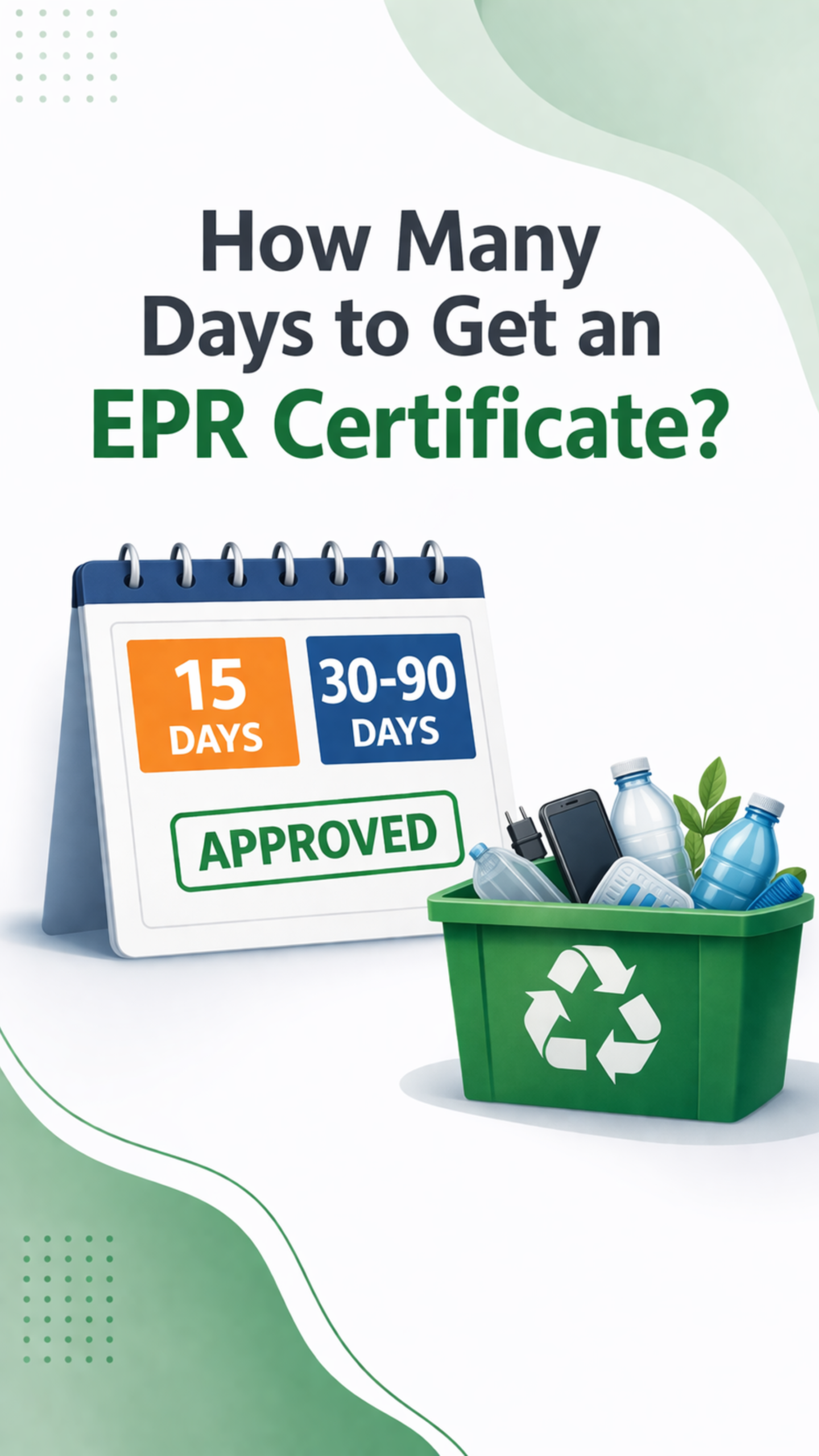
For plastic packaging EPR registration, many expert consultants confirm that once all documents are accurately submitted, the application can be processed within about 15 days. This timeline applies if the submission is complete and the regulatory authority does not seek additional clarifications.
2. 30–90 Days for Some Categories
Alternatively, some EPR certification processes — depending on category and complexity — may take anywhere from 30 to 90 days. This typically happens when the application undergoes thorough review, multiple regulatory verifications, or if different state pollution control boards are involved.

Summary Table: Expected Days for EPR Certificate
| Category | Typical Time to Get EPR Certificate |
|---|---|
Plastic Waste EPR |
15 days |
Electronic Waste & Others |
30–90 days |
Complex or Multi-State Cases |
Longer, subject to documentation and clarification needs |
What Affects the Processing Time?
Several factors determine how many days to get an EPR certificate, and not all are directly controlled by your business. Here’s what influences the timeline:
1. Completeness of Documentation
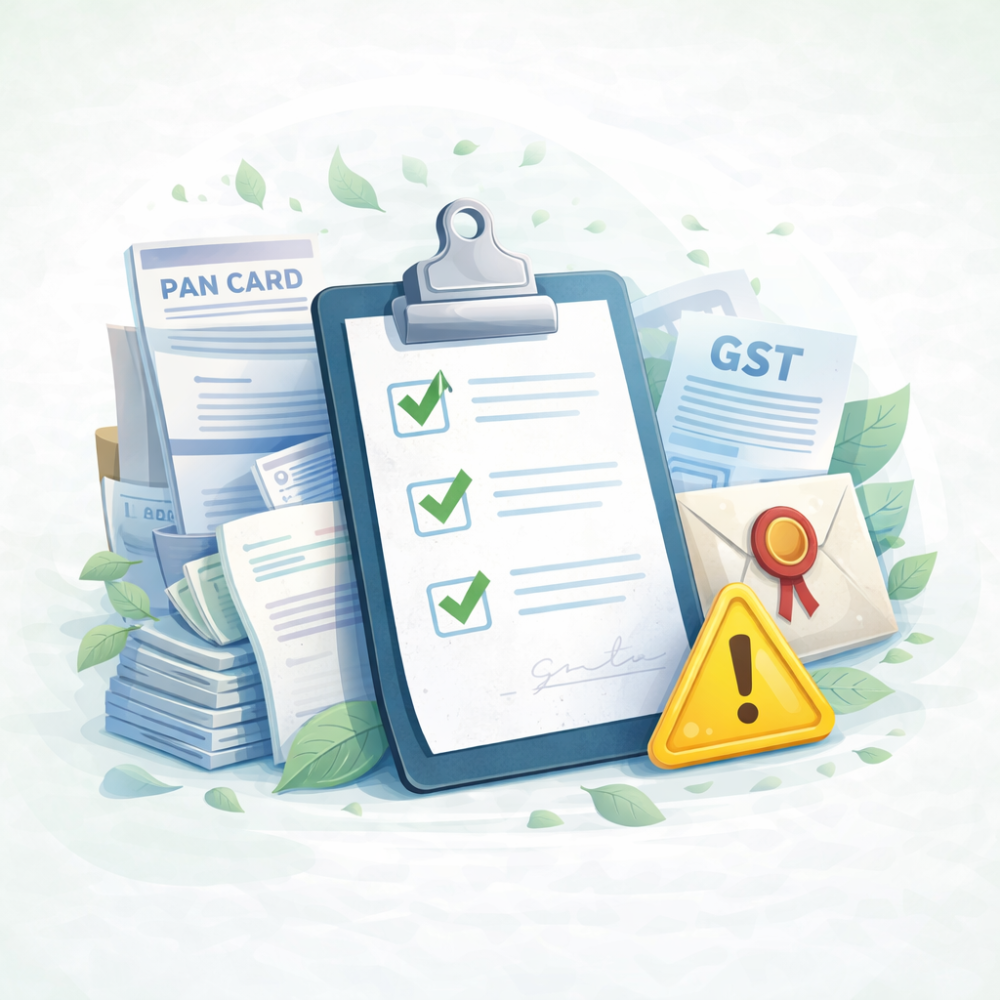
If your application is missing documents like PAN, GST, waste management plans, or authorized signatory details, the regulatory authority may delay processing until all gaps are resolved.
2. Category of EPR
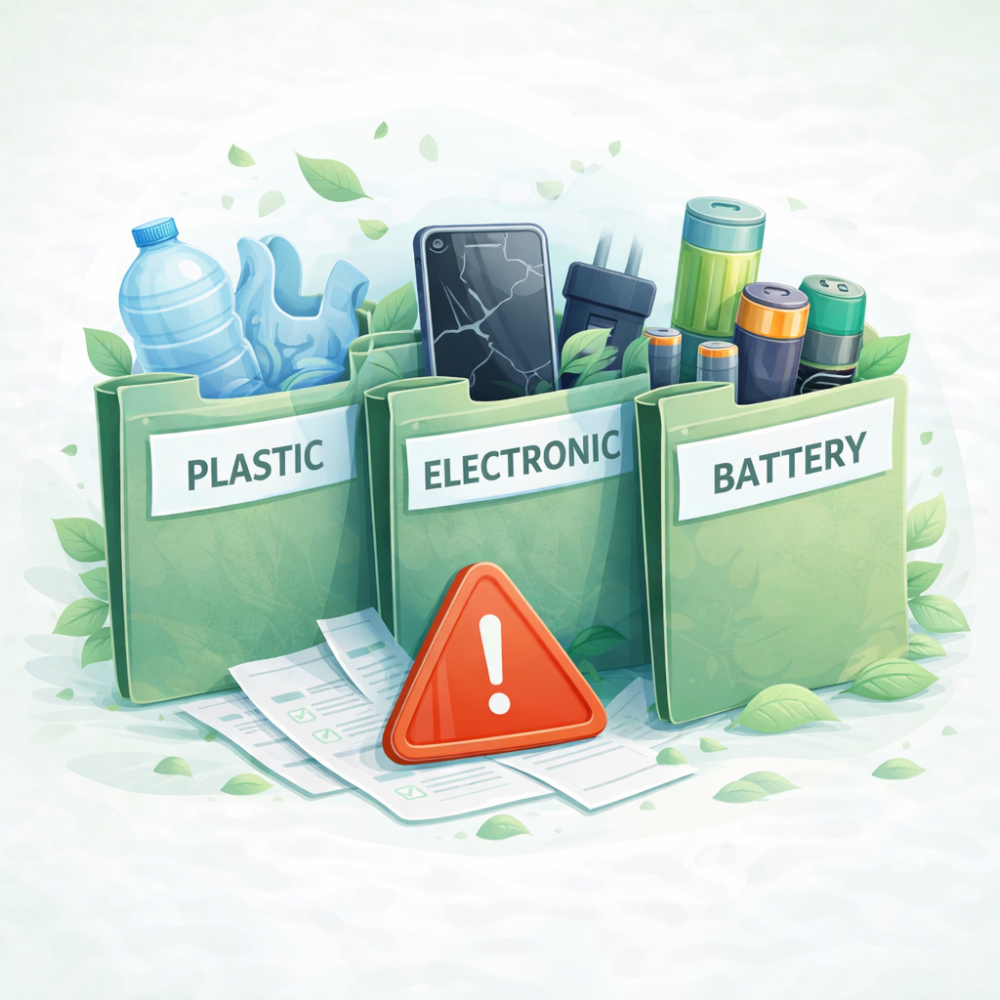
Different waste categories (plastic, electronic, battery) involve varying scrutiny levels and documentation requirements. Therefore, categories with complex compliance rules can take longer to review.
3. Regulatory Load
Depending on the number of applications submitted nationally or through specific state pollution control boards, processing time may vary. Higher workloads can sometimes cause delays.
4. Clarification Requests
Occasionally, authorities may seek additional clarifications if details provided are unclear or inconsistent. This can extend the timeline by days or weeks.
How Professional Assistance Can Help
Owing to this variability, many businesses choose expert help to minimize delays. In fact, working with the Best EPR Registration Experts in Noida ensures that your application meets all regulatory criteria before submission. Experienced consultants can help you:
- Review and prepare accurate documentation
- Submit application correctly the first time
- Communicate with regulators to respond to queries promptly
Track your application status until the EPR certificate is issued

By streamlining these steps, professional support often ensures that you meet the shorter end of the processing timeline — and helps avoid common reasons for delays.
Renewal and Ongoing Compliance
It’s also important to note that an EPR certificate is not a one-time document. Depending on the category, validity may last 1–5 years, after which renewal is required. For example, plastic EPR registrations are typically annual, whereas some other categories extend up to five years.
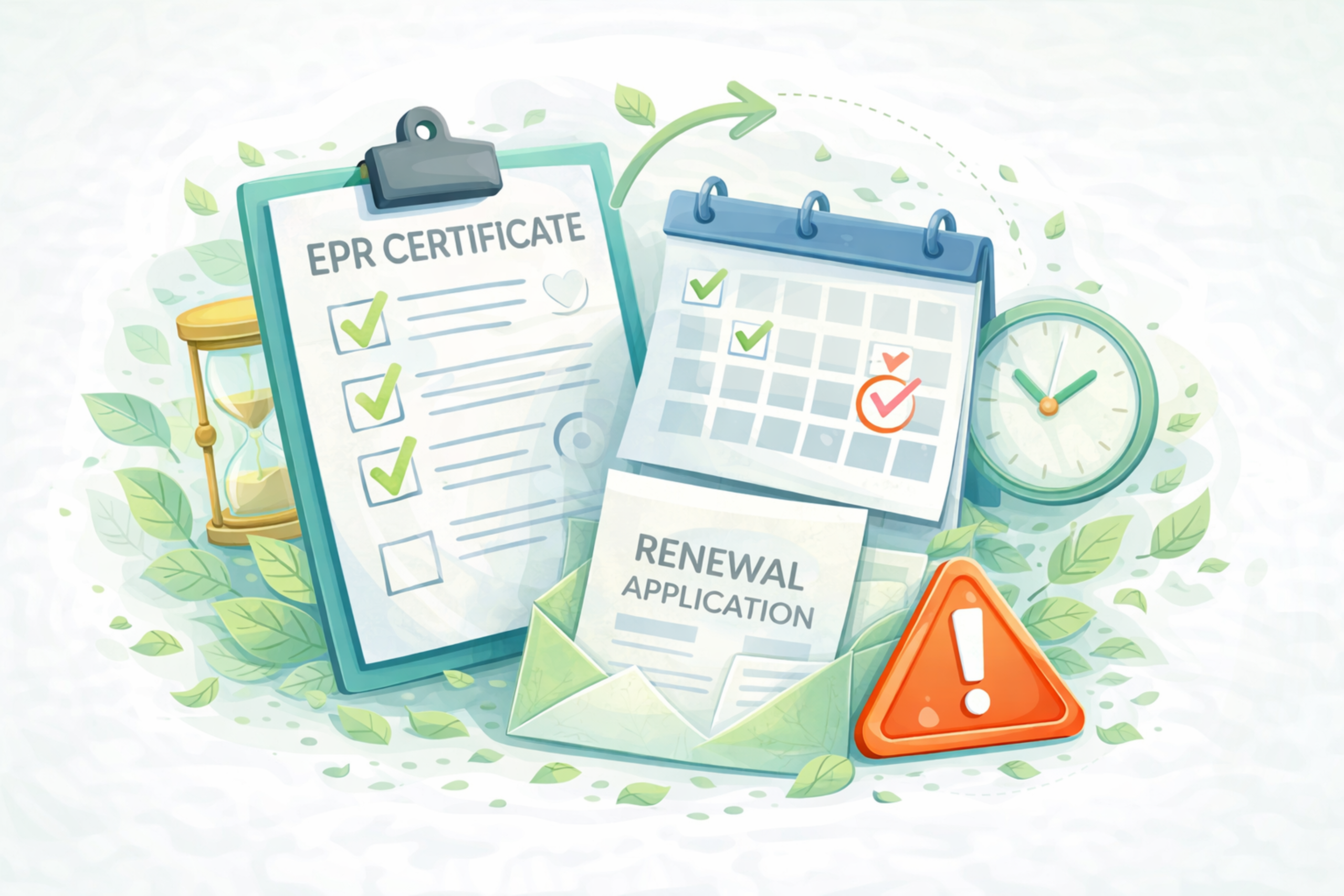
Renewal applications ideally should be filed at least three months before expiry to ensure continuous compliance and avoid gaps. This proactive approach helps businesses stay aligned with regulatory expectations and maintain uninterrupted operations.
Conclusion
In summary, how many days to get an EPR certificate depends on factors such as application completeness, category type, and regulatory workload. Authorities may approve some plastic EPR applications within about 15 days, while they may take up to 90 days or more to process other categories. Given these timelines, engaging experienced support such as EPR Registration Consultant in Noida can significantly expedite the process. With professional guidance, you not only reduce the risk of delays but also ensure regulatory compliance from submission through issuance of your EPR certificate.
If you want more help with EPR compliance or understanding the entire registration timeline tailored to your business category, feel free to ask!