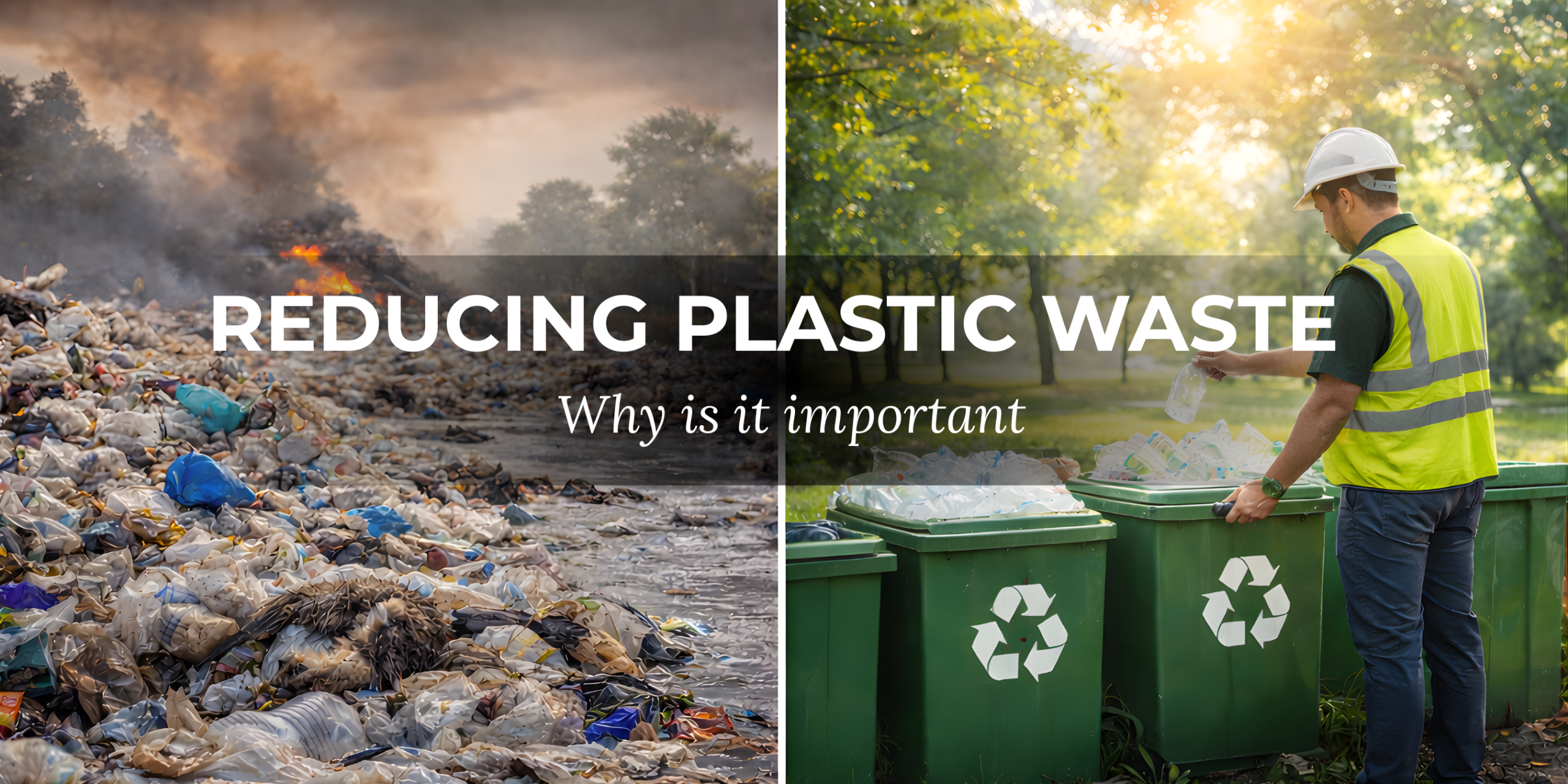
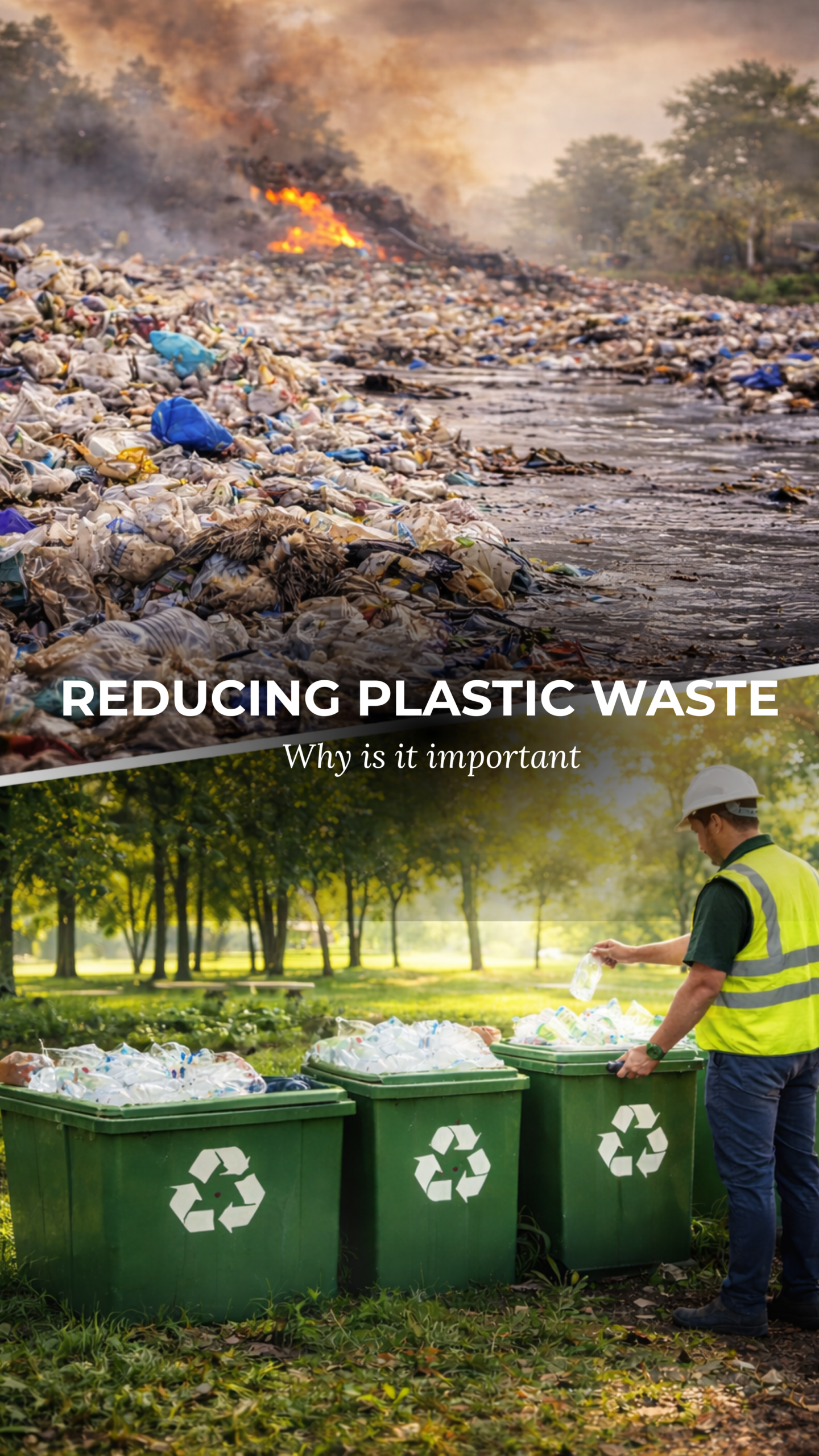
In recent years, Reducing Plastic Waste has become a global priority, and Plastic Waste Management has taken centre stage in environmental discussions. Moreover, with plastic pollution continuing to rise, individuals, businesses, and governments must understand why action is crucial. Therefore, this blog explores the environmental, economic, and social reasons why reducing plastic waste matters — and how effective Plastic Waste Management Services can make a real difference.
What Is Plastic Waste and Why It Matters
First, people use plastic everywhere—from packaging to electronics—because it is durable, lightweight, and inexpensive. However, these benefits come at a cost. According, to the OECD, the world produces approximately 353 million metric tonnes of plastic waste annually, yet only about 9% of it is recycled and almost half ends up in landfills or is mismanaged.
Therefore, Reducing Plastic Waste is essential because plastic does not biodegrade; instead, it fragments into microplastics that remain in ecosystems for centuries. In fact, landfills receive nearly half of all plastic waste, incinerators burn 19%, and 22% leaks into the environment, causing widespread pollution.
Environmental Impacts of Plastic Pollution
Oceans & Wildlife
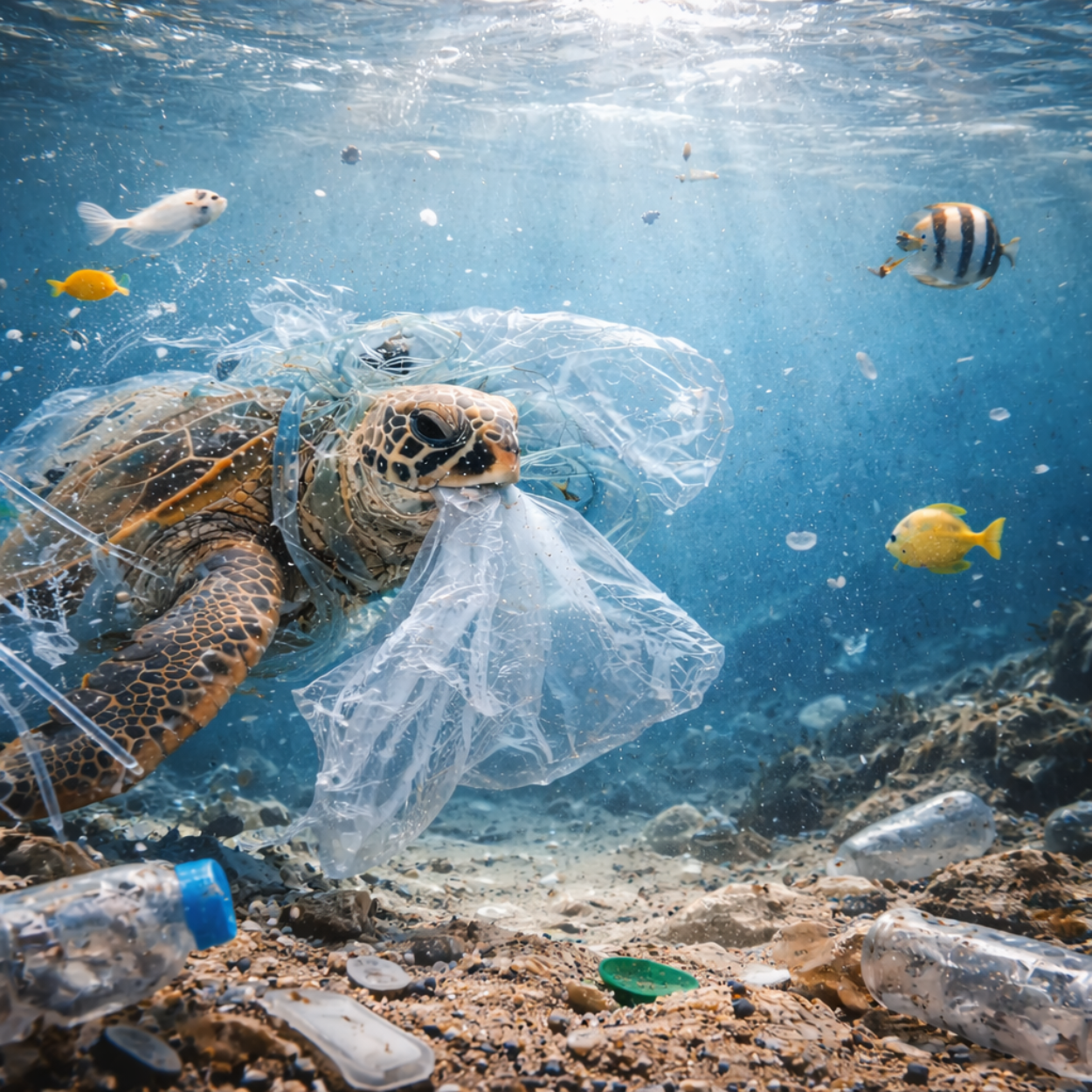
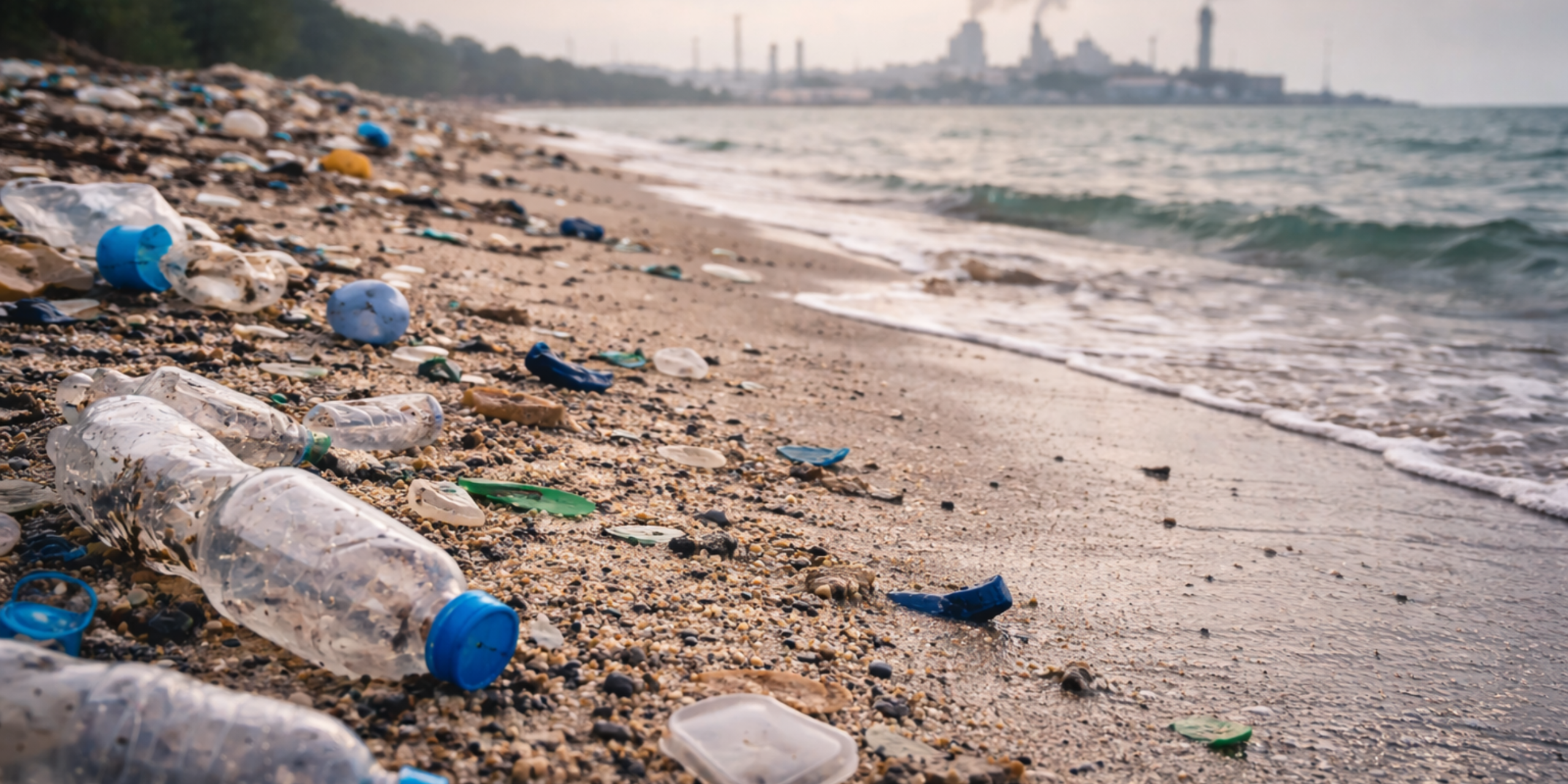
One of the most visible consequences of plastic pollution is its impact on oceans. At least 8 million metric tons of plastic enter the oceans every year, where it harms marine species through ingestion, entanglement, and ecosystem disruption.
Consequently, Reducing Plastic Waste becomes vital as plastic debris breaks down into microplastics, which marine life mistake for food. Over time, these microplastics accumulate through the food chain, jeopardising fragile ecosystems and biodiversity.
Land & Soil
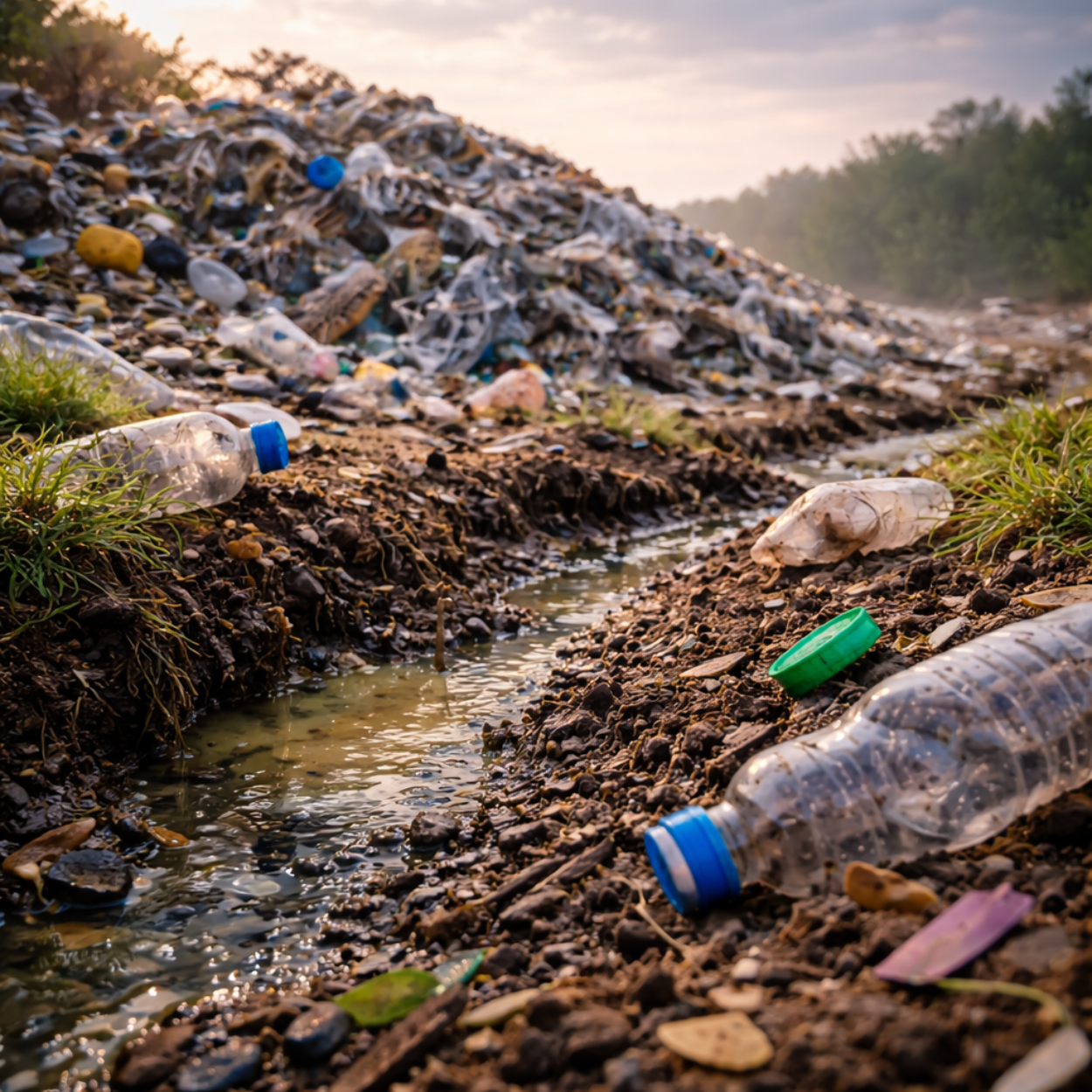
Moreover, when plastics are dumped in landfills or open dumpsites, they degrade very slowly. Not only do they occupy precious space, but they also leach harmful chemicals into soil and groundwater, degrading water quality and soil fertility. This kind of contamination exacerbates challenges for sustainable agriculture and clean water supplies.
Climate Change Connection
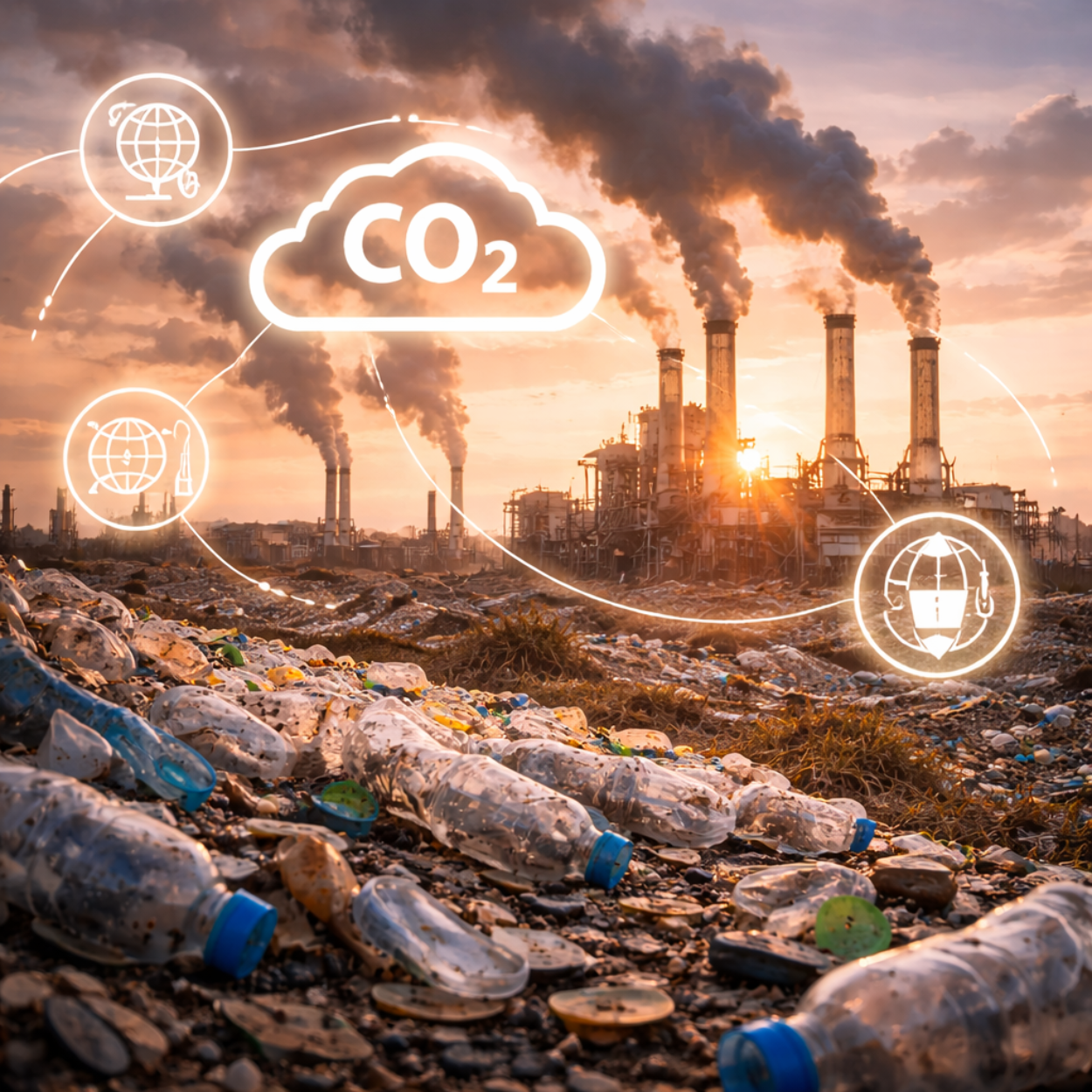
In addition, the lifecycle of plastic — from fossil fuel extraction to production and disposal — contributes significantly to greenhouse gas emissions. For instance, plastics accounted for roughly 3–5% of global greenhouse gas emissions in 2019, and production is expected to continue rising. Thus, Reducing Plastic Waste can also support climate action.
Economic Costs of Plastic Waste

Clearly, the harm from plastic pollution isn’t just environmental — it’s also economic. Plastic waste can reduce fisheries, tourism revenue, and the productivity of coastal communities. Moreover, cleanup and management costs place a heavy burden on governments and local authorities.
For example, polluted beaches with plastic litter discourage tourism, impacting jobs and businesses dependent on tourism income. Likewise, fishing industries face declining catches due to plastic contaminating fish stocks. Therefore, Reducing Plastic Waste is not only an environmental concern but also an economic imperative, creating cleaner, more sustainable livelihoods.
Social Costs and Health Impacts
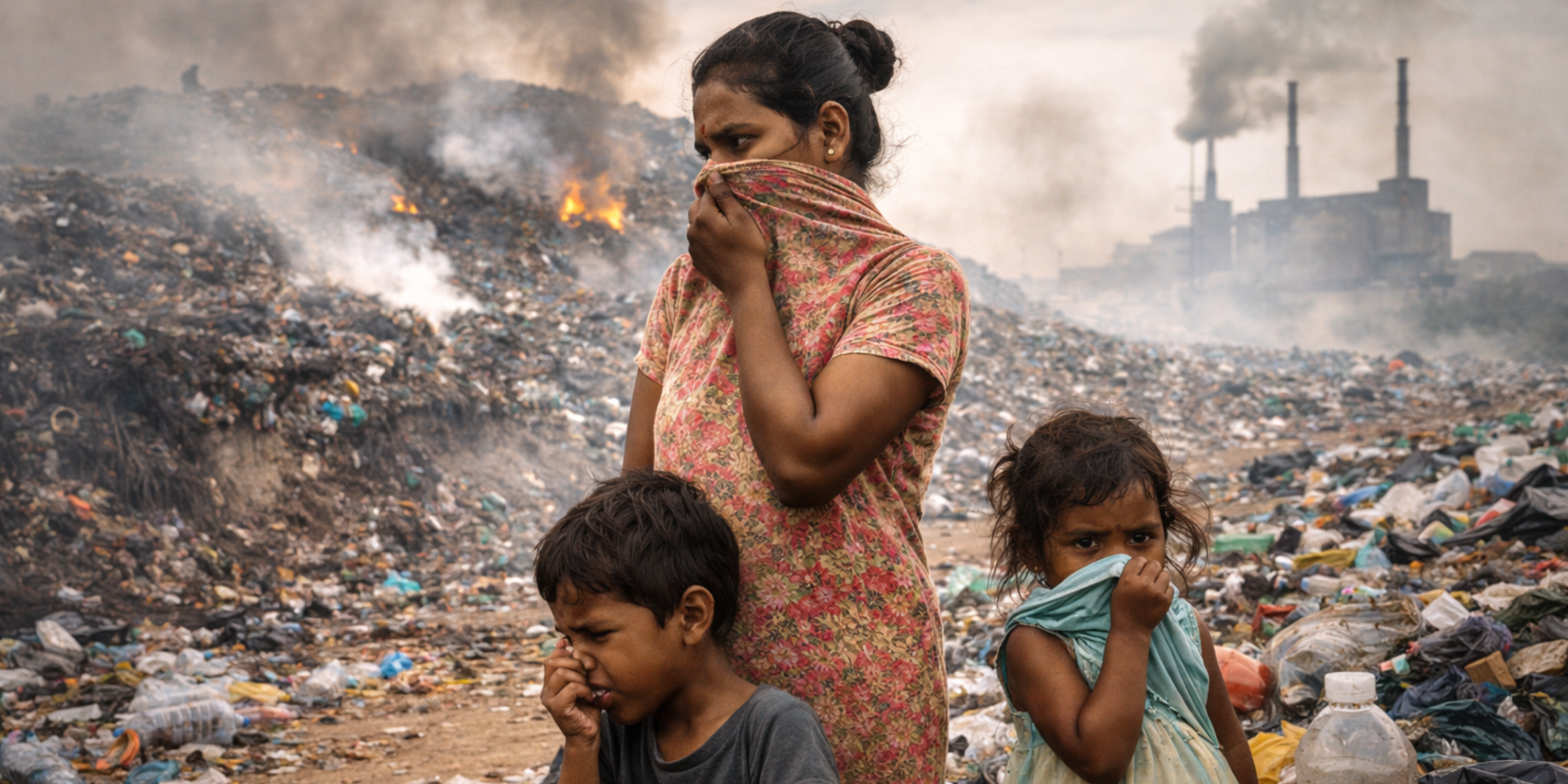
In addition to environmental and economic harm, plastic pollution poses direct risks to human health. Plastic products often contain hazardous chemicals, which can contaminate food, water, and air. Moreover, microplastics are now found in drinking water systems and, increasingly, in human tissues.
Communities near poorly managed dumpsites or waste processing facilities also experience increased exposure to toxic emissions. Therefore, interventions focused on Reducing Plastic Waste contribute not only to healthier ecosystems but to safer, more equitable living conditions for vulnerable populations.
The Role of Plastic Waste Management
Effective Waste Collection and Recycling
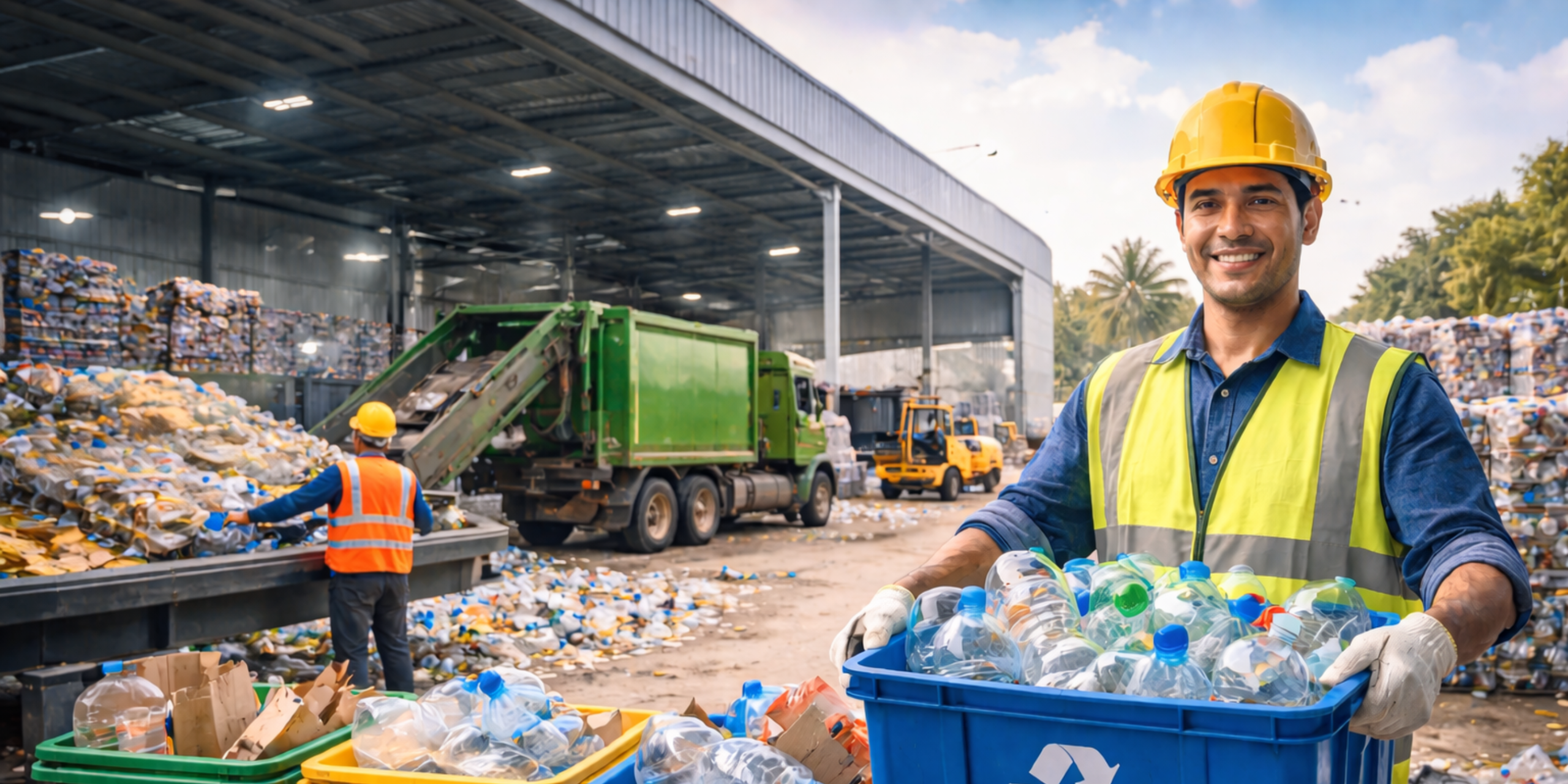
To tackle plastic pollution, Plastic Waste Management plays a pivotal role. Efficient systems collect, sort, and process plastic materials correctly, which reduces the amount that ends up in landfills or escapes into the environment.
Specifically, better waste segregation at the source, recycling infrastructure improvements, and enhanced collection services reduce the volume of unmanaged plastic waste. Yet, without widespread adoption of robust Plastic Waste Management Services, many communities struggle to handle the growing influx of waste.
Local Solutions: Services in Noida
In cities like Noida, Plastic Waste Management Services in Noida are helping bridge gaps in waste collection and processing. These services focus on responsible disposal, resource recovery, and recycling — serving businesses and households alike.
For example, local providers not only collect plastic waste efficiently but also educate residents on proper waste segregation. In addition, they work with municipal bodies and recycling facilities to ensure that plastic waste is processed sustainably rather than being dumped or burned.
Moreover, engaging professional Plastic Waste Management Services supports cleaner neighbourhoods, reduces pollution, and reinforces a culture of environmental responsibility.
Why Reducing Plastic Waste Now Matters
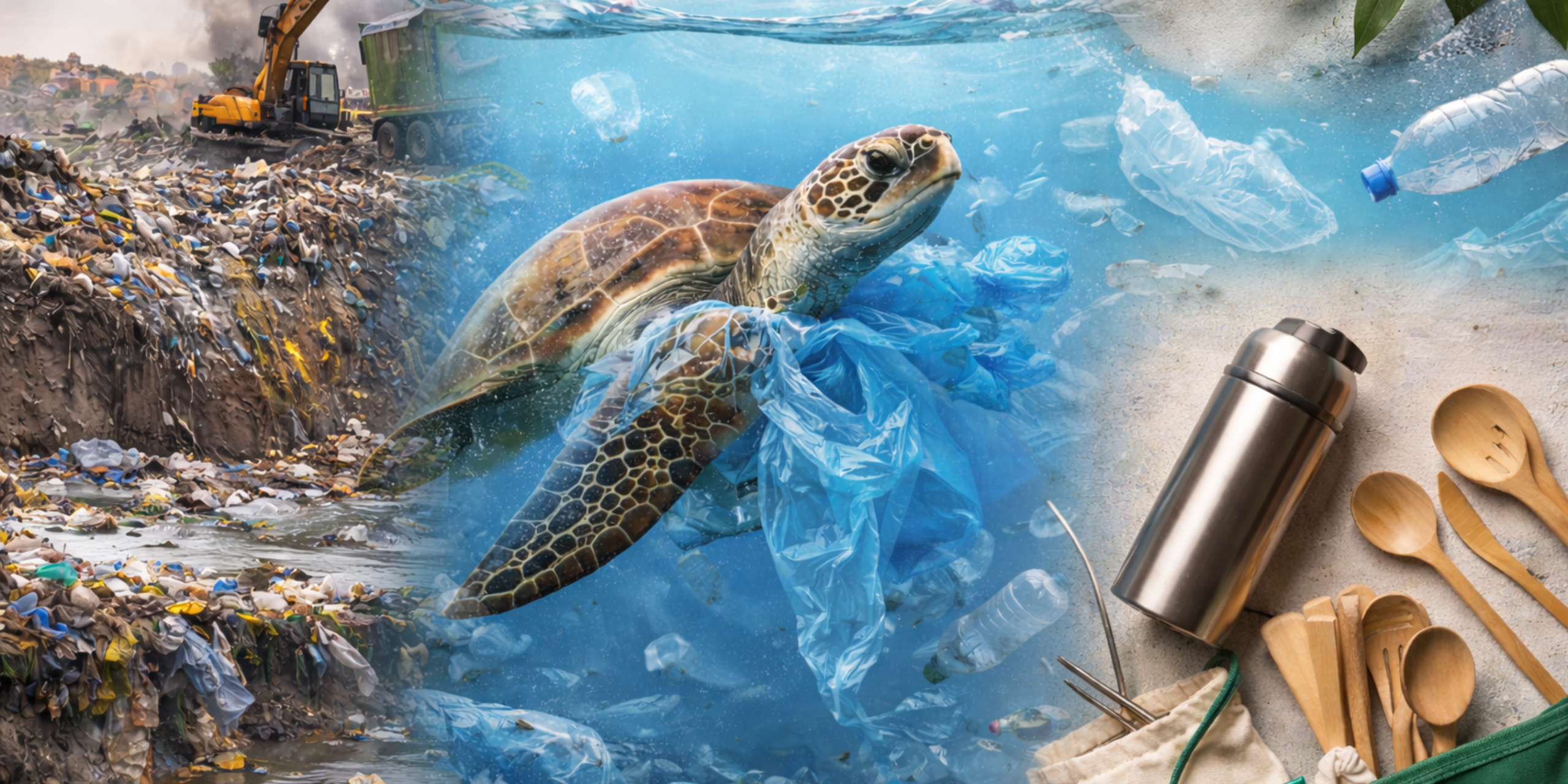
Taken together, these factors make it clear that Reducing Plastic Waste is urgent. If governments, businesses, and communities fail to act decisively, plastic waste will increasingly enter landfills, waterways, and oceans, causing severe ecological and economic damage.
That is why investing in better waste management systems, supporting recycling efforts, and shifting towards reusable alternatives should be priorities for communities, businesses, and governments.
Meanwhile, individuals can contribute by reducing single-use plastic consumption, embracing reusable products, and supporting policies and services that promote sustainable waste systems.
Conclusion: Collective Action for Lasting Change
In conclusion, Reducing Plastic Waste is essential for protecting the environment, safeguarding human health, and securing economic stability. Furthermore, through coordinated efforts — from enhanced Plastic Waste Management Services in Noida to stronger global policies — we can significantly reduce plastic pollution’s harmful impacts.
Therefore, by acting now and making responsible choices, we can help build a cleaner, healthier, and more equitable world for future generations. Every effort counts, and together we can turn the tide on plastic pollution.